Mercado Libre, the largest e-commerce and fintech company in Latin America, has recently partnered with Agility Robotics to introduce Digit, a humanoid robot, at its fulfilment center in San Antonio, Texas. This collaboration marks the beginning of a plan to deploy Agility Robotics’ robots in more of Mercado Libre’s warehouses throughout Latin America. Initially, the focus will be on tasks that support commerce operations, evaluating how humanoid systems can be integrated into the company’s existing workflows to address labor shortages, automate repetitive tasks, and enhance workplace ergonomics.
The agreement between Mercado Libre and Agility Robotics aims to explore how Digit can assist in logistics operations and enable employees to transition to more value-added roles. By implementing such technology, Mercado Libre joins the ranks of other companies such as GXO, Schaeffler, and Amazon, who have also leveraged Agility’s robots in their operations. Agustin Costa, senior VP of shipping at Mercado Libre, emphasized the company’s commitment to leveraging emerging technologies to enhance operational efficiency and create a better experience for both employees and users.
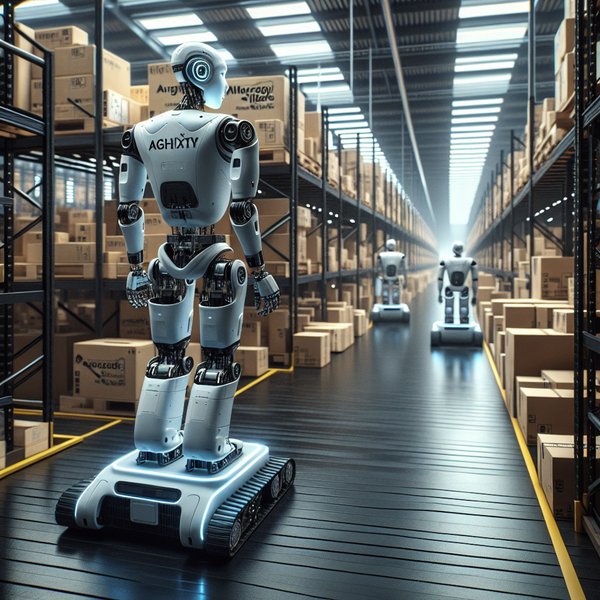
Digit, the humanoid robot, will be responsible for moving materials in Mercado Libre’s Texas facility by walking, lifting, and carrying plastic bins through warehouse aisles. Notably, Agility Robotics highlighted that Digit can seamlessly integrate into existing layouts without the need for significant modifications, having already performed over 100,000 tote-handling operations in live settings. The deployment of Digit signifies a step forward in establishing a safer, more efficient, and adaptable logistics network within Mercado Libre’s operations.
Daniel Diez, chief business officer at Agility Robotics, expressed excitement about partnering with Mercado Libre to incorporate autonomous humanoid robots into their facilities, emphasizing the robots’ ability to undertake essential tasks and add tangible value to operations. Digit’s adaptability and capability to learn new tasks using AI, along with its integration with Agility ARC cloud platform for task management, exemplify its potential to revolutionize logistics processes and drive efficiency in warehouse operations.
In a broader context, the contrasting progress in infrastructure readiness and policy implementation between regions like Karnataka and Telangana in southern India underscores the impact on tech investment outcomes. The advancement of data centers and AI technologies, as seen in initiatives like Karnataka’s data center policy and Bengaluru’s traffic management system, holds the potential to catalyze India’s GDP growth. As technology continues to evolve and businesses embrace innovations like humanoid robots and AI, the landscape of e-commerce and logistics is poised for significant transformation.
About the Author