Subscribe to the Whatsapp channel for the latest news Stay up-to-date with the latest news by subscribing to our newsletter. Researchers at the Universitat Politècnica de València (UPV) are leading the Cultur-BOT-XR project, aimed at studying the social impact of humanoid robots in everyday life, specifically focusing on the experience of museum visitors and other cultural spaces. Adolfo Muñoz, the coordinator of Cultur-BOT-XR and co-director of the Hub of Experimental Museology (HUME) at the Institute of Design and Manufacturing (IDF) at UPV, emphasizes the lack of studies analyzing the impact of these robots in social settings, as most research has been focused on the industrial sector.
The project involves integrating humanoid robots into various experiments to observe people’s reactions and predict the future dynamics of shared work with robots. In museum settings, the team aims to explore how humanoid robots can assist in exhibition presentations and engage with the public in novel ways. The UPV team will assess their potential as cultural mediators capable of interacting with visitors, providing personalized information, and adapting to individual needs and interests.
Ana Martí Testón, co-director of HUME-IDF and a member of the Cultur-BOT-XR project team, underscores the importance of utilizing new technologies to enhance museum experiences while preserving human interaction. They seek to identify tasks that robots can undertake to complement the work of museum professionals without replacing the value of personal interaction crucial for cultural dissemination.
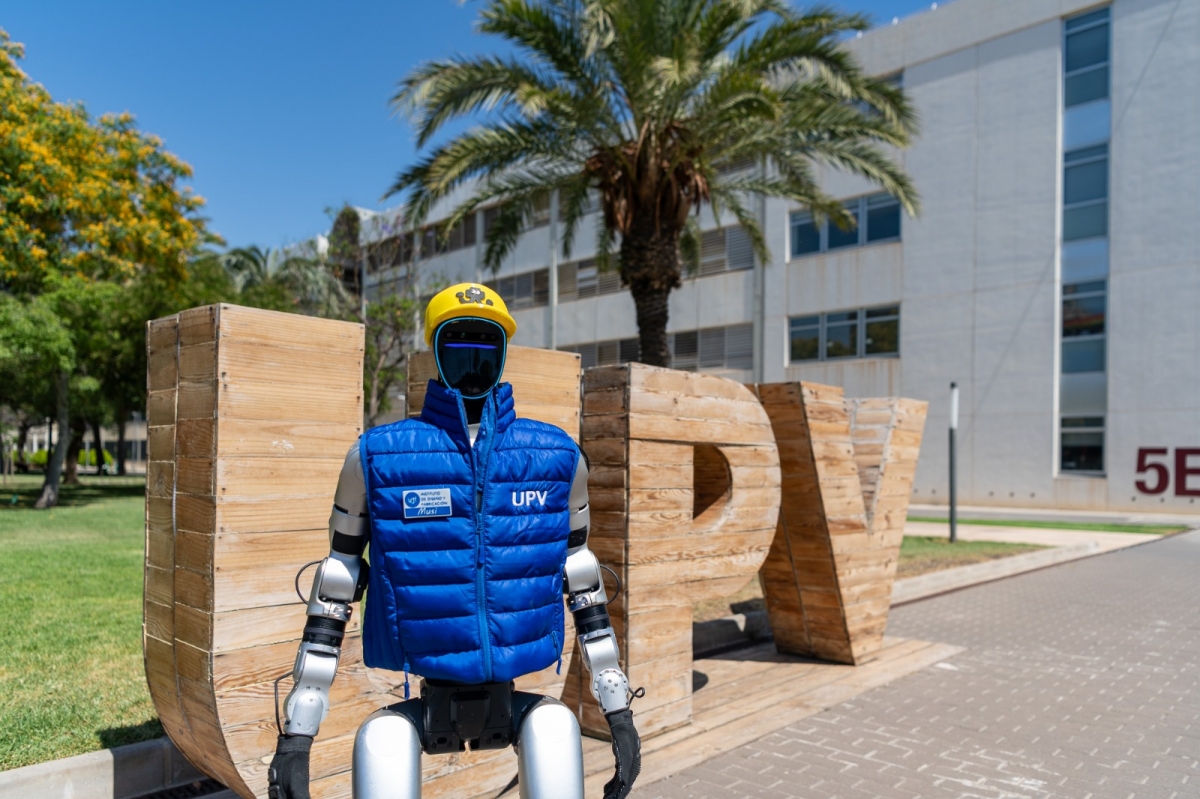
The researchers are currently working with Musi, the new humanoid robot at UPV, for their initial studies. Musi is envisioned as an ambassador, guiding visitors through museum collections and revealing hidden gems. Through this project, the team aims to analyze public interaction with the robot, its behaviors, and responses in different contexts. In parallel, the UPV team is developing specialized software for creating custom-printed clothing for the robot, emphasizing the endeavor to humanize robotics further.
UPV Rector, Jose E. Capilla, stresses the institution’s commitment to anticipating technological advancements and understanding their societal ramifications, highlighting projects like Cultur-BOT-XR as vehicles for generating valuable knowledge about technologies that will increasingly influence cultural, educational, and service sectors. The project, funded by the Ministry of Science, Innovation, and Universities and the State Research Agency, epitomizes the university’s role as an engine of innovation, fostering research excellence, knowledge transfer, and social impact, thereby ensuring technological developments address genuine societal needs.
About the Author