The introduction of a highly realistic robotic head named Origin M1 by Chinese robotics firm Aheadform has sparked discussions about the uncanny valley phenomenon. The robot mimics human facial expressions and movements so convincingly that it has caused discomfort among viewers, with many describing it as “creepy” and “too real.” The unease experienced by viewers reflects the uncanny valley concept coined by Japanese roboticist Masahiro Mori in 1970, which describes the unsettling feeling when machines closely resemble humans but fall short of true realism.
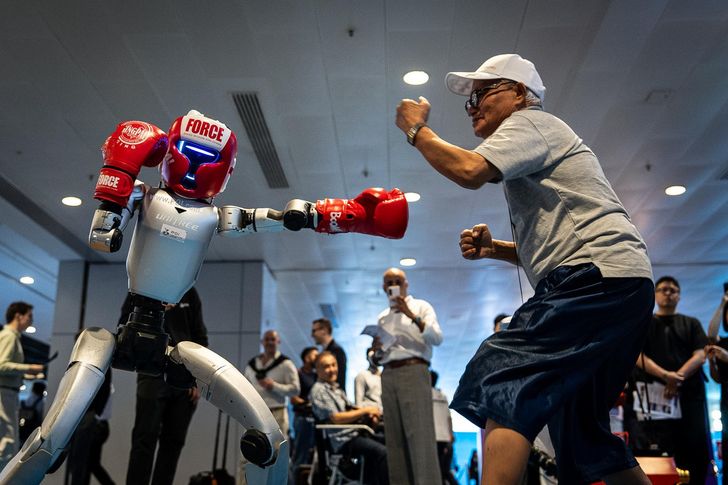
As humanoid robots like Tesla’s Optimus, Figure AI’s Helix, and Unitree’s G1 become more advanced and lifelike, designers are faced with the challenge of determining the optimal level of human likeness that users desire. While these robots are demonstrating impressive capabilities such as serving food, folding laundry, and performing factory tasks, the discomfort associated with their human resemblance is on the rise.
Researchers have delved into understanding how human-like design impacts trust in robots. Studies have shown that moderate anthropomorphism can enhance consumer trust, comfort, and enjoyment with robots. However, an excessive level of realism can evoke fear and reduce acceptance. Striking a balance where robots are friendly but not overly lifelike is crucial, especially as they are increasingly deployed in commercial settings like restaurants, hospitality, logistics, and healthcare.
Analysts predict significant growth in the global service-robot market, driven largely by the adoption of humanoid robots in various industries. These robots are already being utilized for tasks like food delivery and table service, but their success hinges on how well their appearance aligns with the service setting. It has been observed that small gestures and subtle cues can enhance user experience, but excessive humanization of robots may lead to unintended consequences, such as forming deep emotional attachments or hindering cognitive development, especially in children.
Moving forward, researchers emphasize the need for designing robots with a balanced level of anthropomorphism to build trust and satisfaction among users. While humanoid robots continue to evolve from being mere spectacles to functional service providers, their success lies in projecting just the right amount of human likeness to instill trust without evoking discomfort.
About the Author