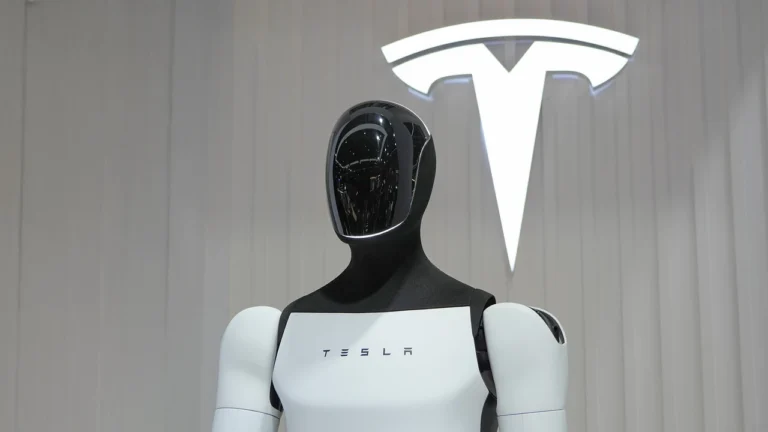
Fueled by the Simons Foundation, an independent publication brings you the latest news straight to your inbox. You can curate your reading list by marking articles with the Read Later icon. In the tech world, companies are delving into the realm of humanoid robots, envisioning a future where these robots will play essential roles. From Boston Dynamics’ Spot quadruped to Tesla’s Optimus humanoid robot, the advancements are remarkable.
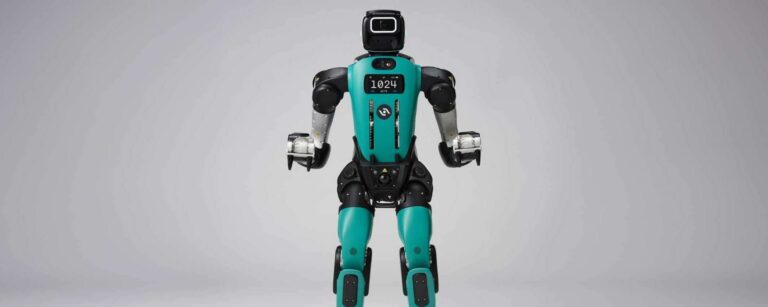
The evolution of humanoid robotics has been substantial, with notable improvements in AI technologies. Despite these advancements, challenges persist, particularly in tasks like navigating stairs and doors. Even renowned humanoid models like Boston Dynamics’ Atlas and Agility’s Digit face hurdles in handling such basic tasks reliably.
Several paradigm shifts have propelled humanoid robotics forward. Deep learning, advancements in actuation, and the emergence of large language models have significantly boosted the capabilities of robots. These innovations have facilitated tasks like apple coring or dishwasher emptying. However, mastering physics, especially force and inertia, remains crucial for humanoid robots to mimic human-like dexterity accurately.
The fusion of hardware and software innovations holds the key to solving the remaining challenges in humanoid robotics. Concepts like force control, compliant behaviors, and advanced data collection through tactile sensors are being explored to enhance robot capabilities further. While experts have varying perspectives on the best approach to achieve this, the consensus is clear – a blend of hardware enhancements and intelligent control systems is necessary.
As the field of humanoid robotics continues to evolve, the focus remains on understanding the fundamental principles governing human-like movements. Despite the progress made, there is a recognition that there is much yet to be mastered before humanoid robots can seamlessly perform a wide range of complex tasks. The scientific journey towards fully solving humanoid robotics is ongoing, with experts emphasizing the need for continuous innovation and exploration in both hardware and software domains.
About the Author