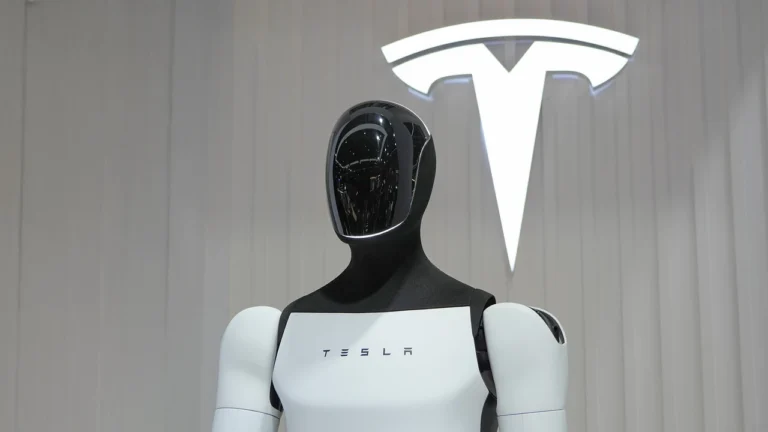
In May, AI robotics company Figure shared multiple videos demonstrating its robots conducting various tasks like cleaning rooms and sorting packages. Although modern AI-powered robots showcase remarkable capabilities, experts highlight it will be years before they can fully replace humans due to their inability to adapt to evolving conditions.
While Figure’s humanoid robots showcased efficiency in tasks like cleaning rooms, the conversation surrounding the potential replacement of jobs was sparked when a group of robots operated continuously for nine days sorting packages. Oliver Obst, an associate professor of robotics at the University of New South Wales, emphasized that repetitive jobs in structured environments are currently most at risk of automation, while administrative and document-based tasks could potentially be taken over by AI.
Despite concerns about technology displacing human jobs, reports have shown that companies in the US have already laid off thousands of employees due to AI advancements. However, Obst noted that the mass adoption of humanoid robots might not happen soon as they still face challenges in terms of efficiency, reliability, safety, and cost compared to existing robotic manufacturing methods.
Markus Levin from XYO mentioned that AI models and automation software excel in consistent performance for repetitive tasks; nevertheless, robots necessitate charging, maintenance, and supervision. The International Federation of Robotics highlighted a significant increase in global demand for factory robots, particularly in warehouses and logistics, over the past decade.
Dr. Francisco Cruz Naranjo, a robotics expert, pointed out the varying efficiency of robots compared to humans based on the task complexity and environmental factors. While robots excel in repetitive tasks, they struggle in dynamic environments where quick adaptations are essential. Naranjo and Obst mentioned potential benefits of widespread robot integration in workplaces, such as improving work-life balance and addressing hazardous environments.
Ultimately, the prospect of robots replacing humans in the workforce remains distant, as obstacles like reliability, safety, regulation, cost, and societal acceptance need to be addressed. The experts highlighted the importance of enhancing research and societal readiness to advance the integration of robots into various sectors effectively.
About the Author