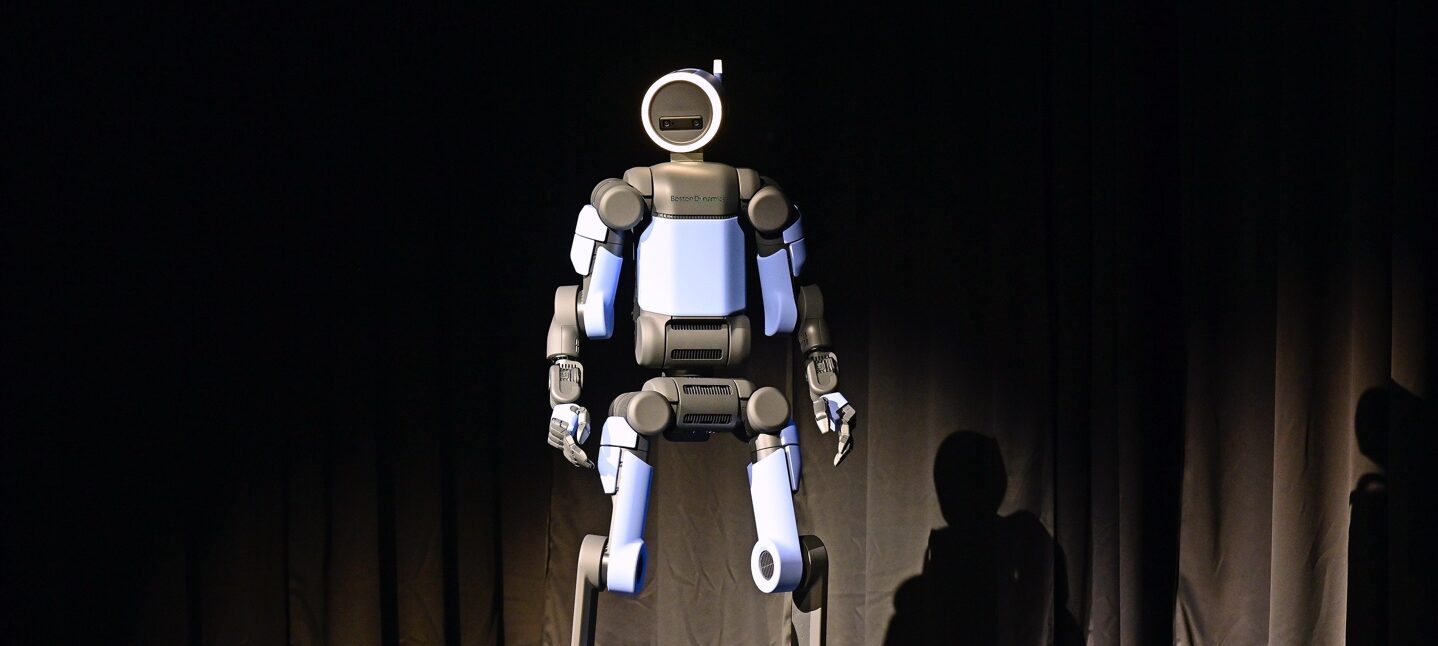
Hyundai has recently solidified its control over Boston Dynamics, a renowned robotics firm, by acquiring SoftBank’s remaining 10% stake, a deal worth approximately KRW 500 billion (US$335 million). This move comes after Hyundai’s initial acquisition of 80% of Boston Dynamics in 2021 and aims to align the robotics company with Hyundai’s automotive manufacturing strategies. The centerpiece of this alignment is Atlas, Boston Dynamics’ humanoid robot, with a production-ready version unveiled in 2026 at CES.
Hyundai plans to integrate Atlas into its operations, starting at its Georgia EV plant in 2028 for tasks like parts sequencing, heavy lifting, welding, and component assembly, with further expansion across its facilities by 2030. With complete ownership of Boston Dynamics, Hyundai can now streamline decision-making processes without external shareholder influence, focusing on leveraging robotics to address challenges like an ageing workforce, increasing manufacturing costs, and the precision demands of EV assembly.
Apart from boosting production capacity for Atlas units, Hyundai aims to deploy over 25,000 robots across its plants and sell the remainder to external clients. The advantages of Atlas over human workers include its ability to rotate 360 degrees, autonomously charge and lift heavy loads consistently. By merging Boston Dynamics’ expertise with its supply chain and innovation network, Hyundai aims to enhance efficiency and reduce production costs, such as by manufacturing Atlas’s custom actuators in-house.
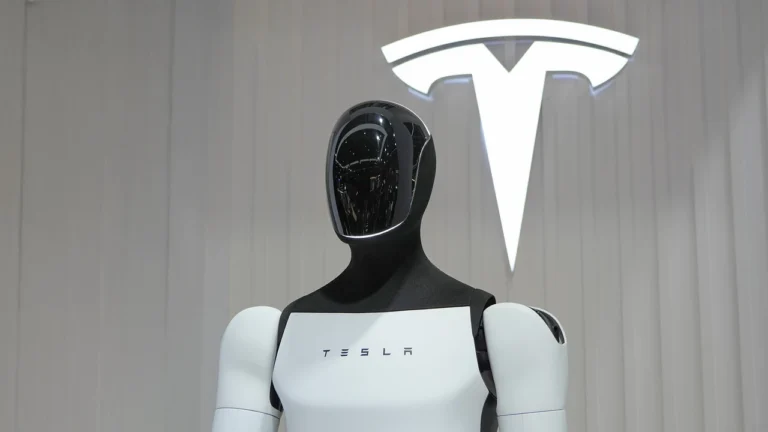
While the efficacy of humanoid robots like Atlas is promising, challenges may arise from potential resistance from Hyundai’s labor unions, worried about job displacement. Despite this, Hyundai’s focus on incorporating robotics into its manufacturing processes is in line with industry trends, with other automakers like Tesla and Xpeng also investing in similar technologies. Tesla, for instance, is leveraging its AI expertise and neural network capabilities in its Optimus robot, while Xpeng’s Iron robot targets different use cases, emphasizing cost efficiency and agility.
Hyundai’s cautious deployment of Atlas into industrial tasks underscores its commitment to leveraging advanced robotics in a structured manner. The upcoming Georgia deployment will be a critical test for Atlas’s viability in live production environments. The outcome of this test will dictate the robot’s readiness for genuine component assembly by 2030, ultimately determining the success of Hyundai’s significant investments in robotics technology.
About the Author