Exploring the Relationship Between Humans and Machines through Cinema and Robotics
Since ancient times, humans have constructed and utilized machines to perform various tasks. In 1927, Fritz Lang’s silent film “Metropolis” envisioned the year 2026, depicting a world where the rich were vastly separated from the poor and where the “man-machine” replaced human beings entirely. This film has served as a source of inspiration for many other science fiction movies, such as the Star Wars saga (since 1977), Blade Runner (1982), and Terminator (since 1984). In Italy, in 1980, Alberto Sordi narrated the human-robot relationship in the movie “Io e Caterina.” The intersection of humanity and robotics has been a recurring theme in the film industry, from Audi’s concept car RSQ in “I, Robot” in 2004 to the recent film “The Mitchells vs. The Machines” in 2021, exploring a scenario where smartphones turn against humans with the help of an army of robots.
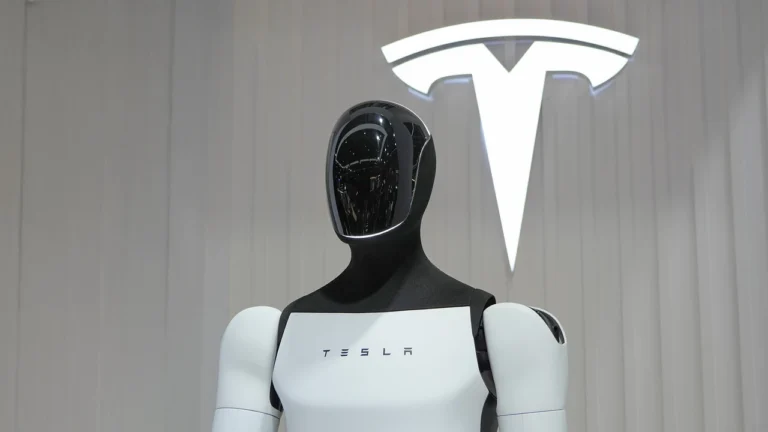
The automotive sector, a trillion-dollar industry, has been at the forefront of implementing robotics on a large scale, with artificial intelligence leading to the robots being individually named, such as Apollo, Optimus, or Figure 01. These robots represent just the beginning of a new era, emphasizing the importance of understanding them better. On August 19, 2021, Tesla organized the Artificial Intelligence (AI) Day and unveiled a prototype humanoid robot named Optimus, paying homage to the Transformers character “Optimus Prime.” While news of hundreds of layoffs at Tesla Supercharger made headlines, a new video showcasing Optimus working in the factory was released. According to the company, Optimus is scheduled to be available to external customers by the end of 2025, with continuous optimization and improvements planned over the years.
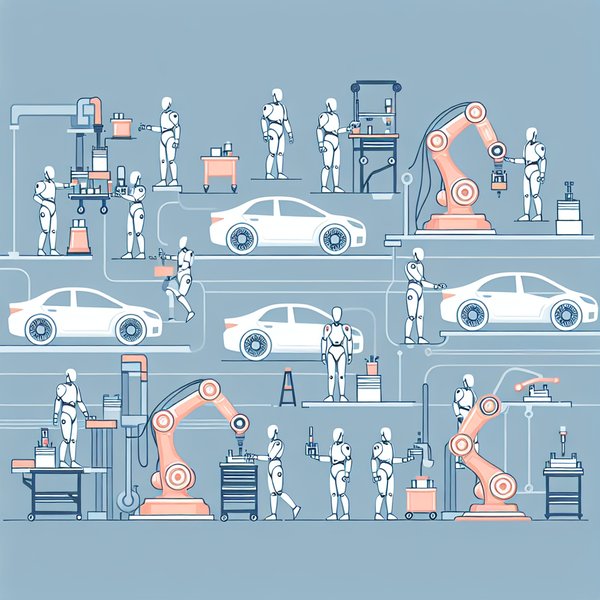
In January 2024, the robotics startup Figure signed an agreement with BMW to introduce humanoid robots into the Spartanburg facility in South Carolina (USA) to automate production activities deemed difficult, dangerous, or monotonous. Concurrently, in 2024, robotics company Apptronik partnered with Mercedes to experiment with Apollo, a 1.70 meters tall bipedal robot capable of lifting up to 25 kg. These collaborations highlight a new era in robotics and automotive production aiming to address labor shortages and enhance safety and productivity in manufacturing environments.
Sanctuary AI, a company founded in 2018 with the goal of creating human-like general-purpose artificial intelligence in robots, announced a collaboration with Magna, a major auto producer assembling vehicles for brands like Mercedes, Jaguar, and BMW. This partnership aims to integrate AI robots into production facilities to enhance quality and meet customer demands effectively.
As we witness the integration of humanoid robots in factories and service sectors, machines like Digit, with human-like features, are emerging to assist in various tasks, including packaging deliveries at Amazon warehouses. These advancements raise questions about whether machines can outperform humans in all aspects. Despite technological advancements, skilled artisans known as Takumi in Japan, working at companies like Nissan or Toyota, still surpass robots in achieving high-quality product finishes. The future of craftsmanship remains a topic of interest amidst rapid technological progress.
As the boundaries between humans and machines blur, advancements in robotics and artificial intelligence continue to reshape different industries. The fusion of human expertise and technological innovation paves the way for a future where robots play a vital role in enhancing productivity, efficiency, and safety across various sectors.
About the Author