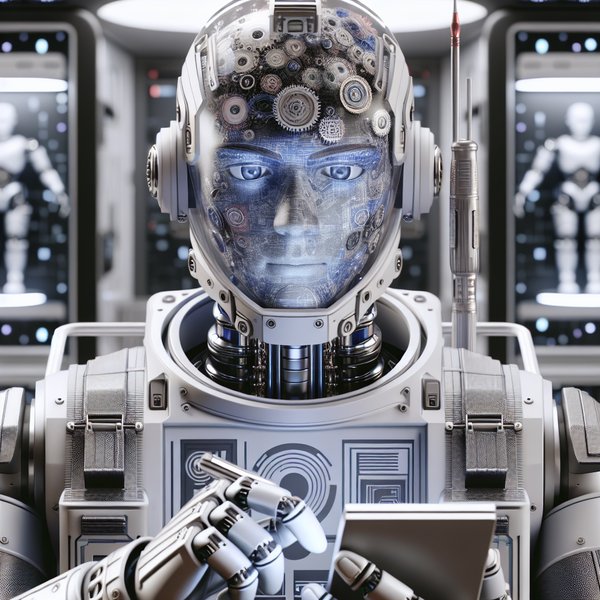
Humanoid robots are intricately designed machines that mimic the human body and replicate certain human-like capabilities. Unlike conventional industrial robots typically found in factories, humanoid robots are created to work alongside humans in real-world scenarios, equipped with arms, legs, and sensors enabling them to function in environments tailored for humans.
Over time, significant advancements in artificial intelligence, machine learning, and robot hardware have moved humanoid robotics from the realm of science fiction to practical application. These sophisticated robots are now being tested in homes, workplaces, and public spaces, displaying abilities such as opening doors, utilizing tools, and interacting with humans.
Most humanoid robots emulate the basic structure of humans, featuring a torso, head, robotic arms, and bipedal legs that facilitate human-like movements. With intricate mechanical components and motors, these robots possess multiple degrees of freedom, allowing them to execute complex tasks requiring precision and dexterity.
Sensors, such as cameras, tactile systems, and force/torque sensors, enable robots to detect objects, adjust their grip, and maintain balance in complex surroundings. Artificial intelligence plays a crucial role in modern humanoid robot functionality, aiding in tasks such as environment comprehension, object tracking, and action planning through techniques like imitation and reinforcement learning.
Various companies and research groups are at the forefront of humanoid robot development. Examples include Boston Dynamics with agile robots for challenging terrain, Agility Robotics’ Digit robots for warehousing tasks, and Pal Robotics specializing in service robots for research purposes. Additionally, companies like SoftBank Robotics, Hanson Robotics, and Engineered Arts focus on social roles, customer service, and public demonstrations.
Humanoid robots are capable of performing manual tasks that were traditionally carried out by humans, such as handling objects or manipulating tools. In industrial settings, these robots assist with assembly, material transport, and equipment monitoring, potentially alleviating labor shortages.
While fully autonomous humanoid robots are still in early stages, ongoing research and developments are being documented, indicating promising progress. As artificial intelligence technologies advance, humanoid robots are envisioned to become indispensable aids in homes, hospitals, and workplaces worldwide, complementing human efforts in various tasks and environments.
About the Author