AuraML, an Indian AI start-up, has introduced AuraSim, described as India’s premier multimodal world simulation model for robotics. This groundbreaking technology is constructed on NVIDIA’s Omniverse and Cosmos infrastructure. The unveiling took place in New Delhi during the India-AI Impact Summit 2026 organized under the India AI Mission by the Government of India.
AuraSim enables developers to create physics-ready, three-dimensional simulation environments from various input sources such as text descriptions, 2D floorplans, video walkthroughs, depth maps, and point clouds. The main goal of this platform is to streamline the training process for autonomous robotic systems by developing high-fidelity digital twins before any physical equipment is put in place.
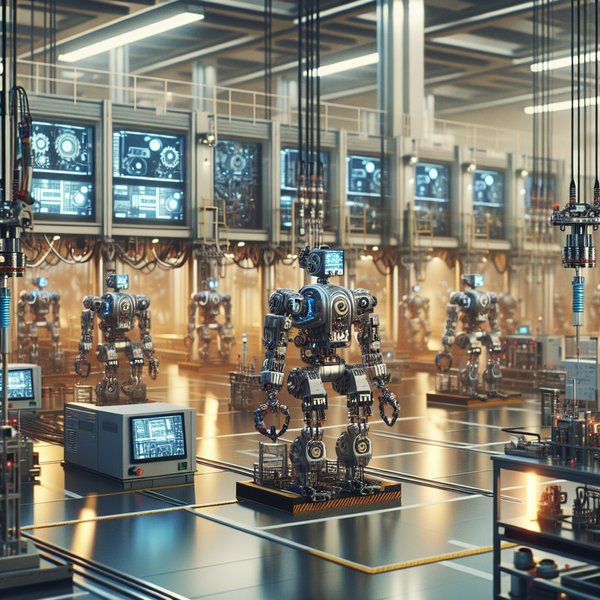
One of the key features of AuraSim is its ability to support the simultaneous simulation of humanoid robots, autonomous mobile robots (AMRs), and stationary robotic arms within a shared virtual environment. AuraML’s agentic automation pipeline can execute numerous scenario variations autonomously, allowing for quick stress-testing of edge cases with simple text prompt adjustments.
In addition to AuraSim, AuraML is launching the Global Physical AI & Robotics Cohort in partnership with NVIDIA Inception. This eight-week mentorship-driven training program is aimed at robotics engineers, AI researchers, and developers, and offers limited seats. Ayush Sharma, co-founder of AuraML, expressed that the introduction of the first multimodal world simulation model from India, powered by NVIDIA’s top-notch simulation technology, will provide a universal toolkit to expedite the development of advanced robotics models worldwide.
Tobias Halloran, Director of EMEAI start-ups and Venture Capital at NVIDIA, highlighted the thriving momentum in India’s AI start-up landscape and emphasized NVIDIA’s commitment to granting founders access to accelerated computing and scalable AI infrastructure through initiatives like NVIDIA Inception.
AuraML’s core focus centers on constructing foundational world models for next-generation robotics using generative AI and physics-based simulation. The article was published on February 19, 2026, and is copyrighted by THG PUBLISHING PVT LTD. and its affiliated companies.
About the Author