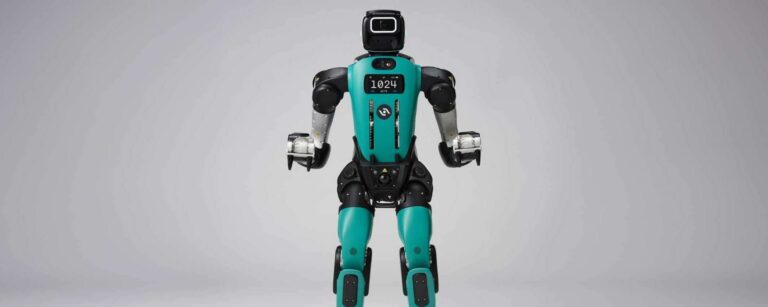
Boston Dynamics, a leading figure in the robotics world, recently showcased the capabilities of its legendary humanoid robot, Atlas, by transitioning it from the lab environment to real production fields. In footage aired on CBS News, the all-electric next-generation Atlas is seen successfully performing real-world tasks at Hyundai’s factory in the state of Georgia. This development is considered a crucial milestone in the integration of AI-powered robots into industrial production.
The newly introduced Atlas, featured in the media presentation “Humans Are Coming,” learns to perform factory tasks with the help of artificial intelligence. With its 360-degree rotatable joints and advanced machine learning capabilities, the robot autonomously handles challenging physical tasks such as lifting car parts, separating components, and assembling vehicle doors. Equipped with visual sensors, the robot can adapt instantly to changes in its surroundings and complete complex operations without human intervention.
Hyundai, which acquired Boston Dynamics from SoftBank in 2021, aims to commercialize Atlas as a product. As part of its “Software-Defined Factory” strategy, Hyundai plans to deploy tens of thousands of robots in its production facilities. It is envisaged that around 40% of assembly operations at the Georgia facility will be performed by robots. This technology is expected to enhance job safety by taking on hazardous and physically demanding tasks rather than replacing human workers.
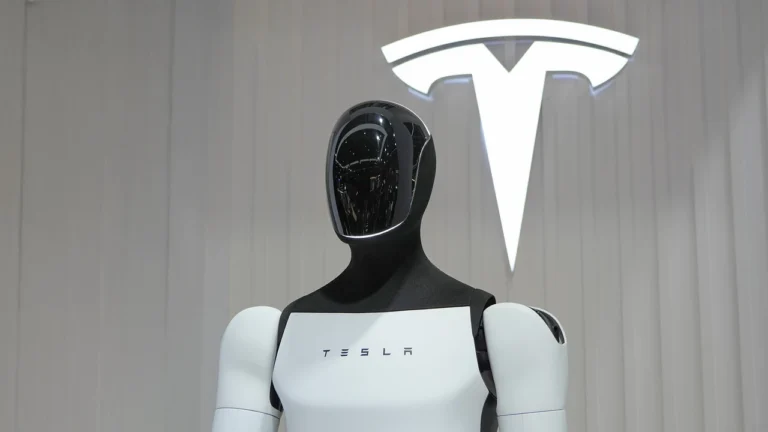
The next-generation Atlas will make its public debut at the CES 2026 trade show in Las Vegas on January 5th. Boston Dynamics executives have indicated that Atlas will be fully available for commercial use in the coming years. This move is anticipated to intensify competition among robotic models such as Tesla’s Optimus and Figure AI’s Figure 02 in the robotics market.
What are your thoughts on humanoid robots starting to work in factories? How do you think robotic workforce will reshape the automotive industry?
About the Author