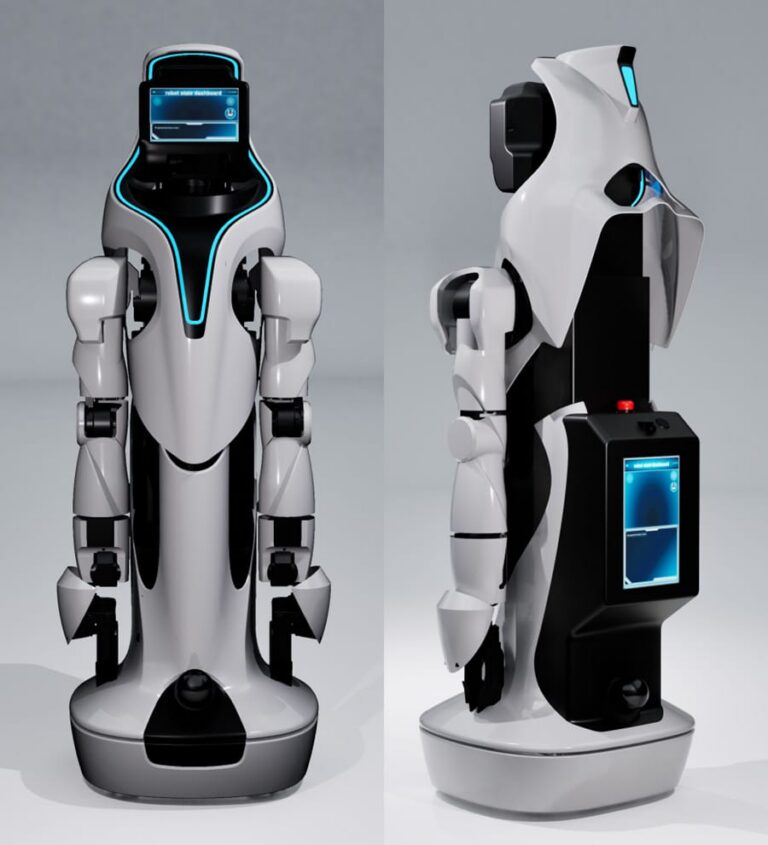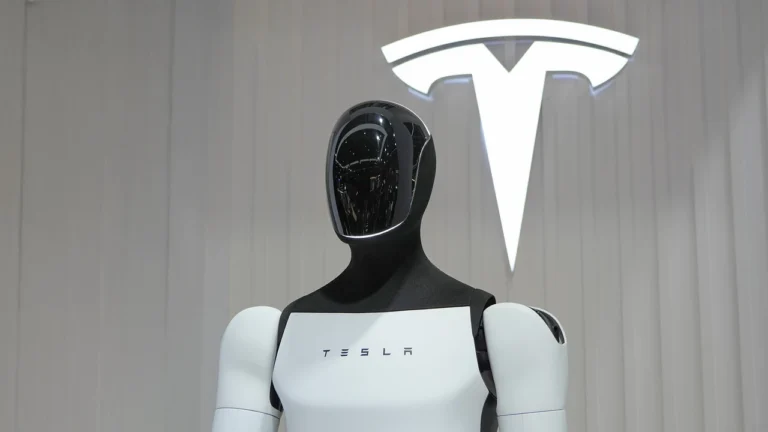
The future of automotive society is rapidly evolving with the rise of autonomous vehicles and humanoid robots from companies like Waymo, Tesla, Zoox, and more. CES 2026 showcased the imminent arrival of physical AI in the form of autonomous cars and humanoid robots. Over 144 companies are developing humanoid robots, offering a wide range of models. The event featured around 30 manufacturers and numerous component suppliers focusing on robot hands and other technologies.
Interestingly, many automotive industry players are actively engaged in the development and utilization of humanoid robots. Several major automotive companies are creating complete humanoid robots for various applications. Some companies like BMW and BYD are already deploying these robots in their factories for production and customer service purposes. Additionally, tier 1 suppliers in the automotive sector are collaborating with humanoid robot manufacturers, with cases of acquisitions such as Mobileye acquiring Mentee Robotics.
Analyst predictions suggest that by 2040, up to one billion humanoid robots could be integrated into factories and households, signaling a potential trillion-dollar market which may surpass the automotive industry itself. This market shift offers a lifeline for automotive companies amidst significant transformations. Humanoid robots not only introduce a new form of mobility but also align with the existing capabilities of automotive manufacturers and suppliers.
Moreover, humanoid robots could address operational challenges within companies by providing cost-effective, non-unionized, and consistent labor, alleviating issues related to turnover rates and skill shortages due to repetitive and hazardous tasks. Consequently, it seems inevitable that all automobile manufacturers and suppliers will need to engage with humanoid robots and contribute to their ongoing development to stay competitive in the evolving automotive landscape.
About the Author