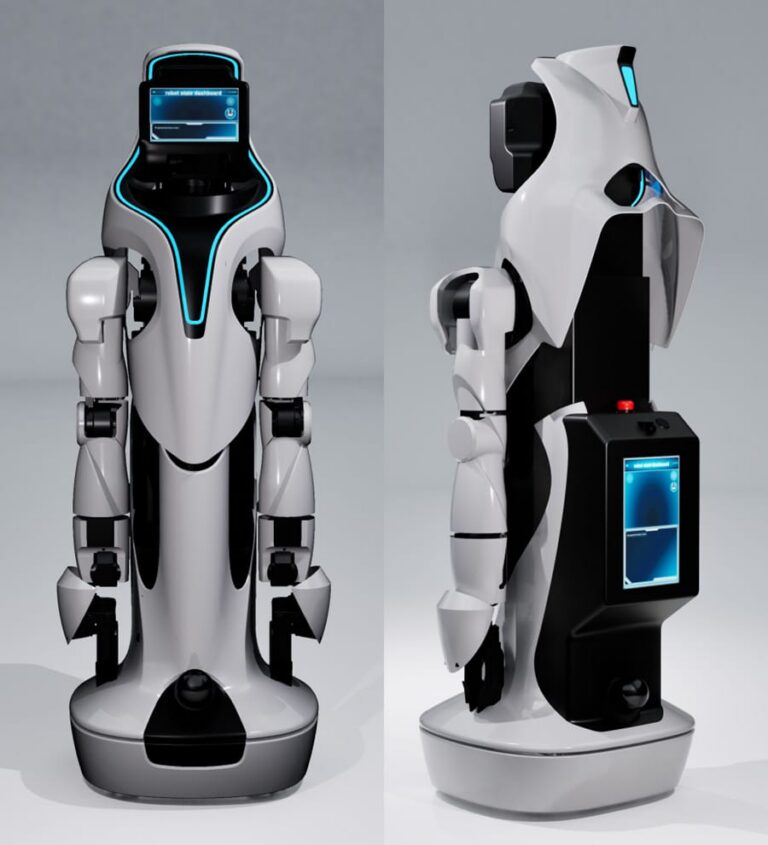
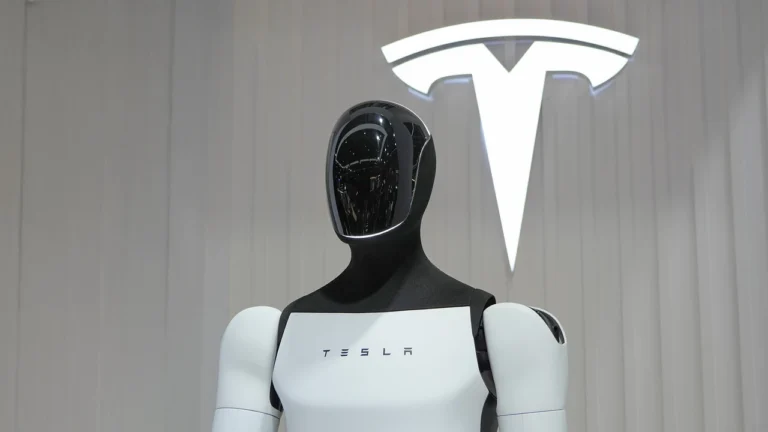
This study delves into the realm of geometric calibration and dynamic identification within anthropomorphic robotic systems, centering on mobile manipulators and humanoid robots. In the case of the TIAGo mobile manipulator, a holistic approach is introduced that incorporates geometric calibration, suspension modeling, and backlash compensation. This method led to a substantial 57% reduction in end-effector positioning root mean square error (RMSE). As for the TALOS humanoid robot, a comprehensive whole-body calibration technique is presented, utilizing plane-constrained contacts and the innovative IROC algorithm to optimize posture selection.
A key milestone of this research is the development of FIGAROH, an open-source Python toolbox designed for unified calibration and identification activities across a variety of robotic systems. FIGAROH stands out for its advanced features, including the automatic generation of optimal calibration procedures, a range of parameter estimation methods, and validation tools. Extensive testing conducted on platforms such as TIAGo and TALOS demonstrated notable enhancements in accuracy and model fidelity.
The outcomes of this research drive progress in robot calibration and identification, offering invaluable theoretical insights and practical resources for a broad spectrum of anthropomorphic systems. The implications of this work extend to potential applications in industrial settings and human-robot interaction scenarios. The creation of FIGAROH and the methodologies developed through this study are poised to shape the future of robotic systems and their optimization.
About the Author