Agility Robotics, a company based in Salem, Oregon, is making waves as it prepares to go public on Wall Street. The company, known for its humanlike robots designed to carry totes in warehouses, is at the forefront of introducing AI-powered humanoid machines into the workforce. This move is a testament to the growing interest in merging advanced technology with traditional labor practices.
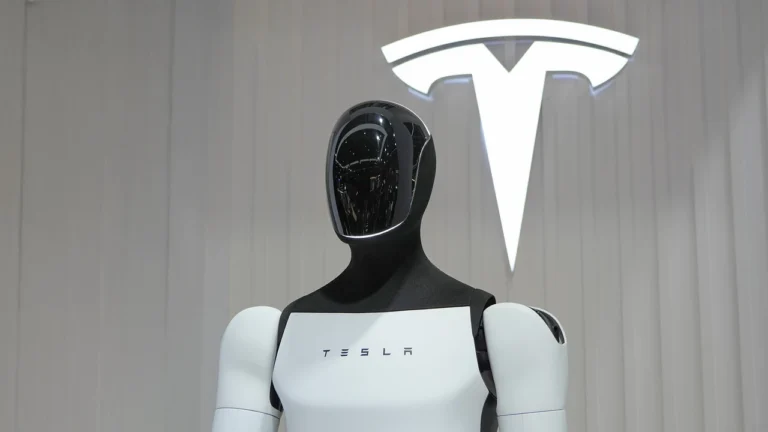
In a significant development, Agility Robotics has announced a merger with an investment firm that will propel the company to a valuation of $2.5 billion. This strategic move will make Agility the first publicly traded company solely dedicated to creating and selling humanoids. Noteworthy competitors in this space include Tesla, with its CEO Elon Musk touting a humanoid prototype named Optimus as an integral part of the future of the automotive industry.
Agility Robotics’ flagship product line, Digit, stands out as the pioneer humanoid robot actively utilized in warehouse and industrial settings. Michael Klein, the co-founder and chairman of Churchill Capital Group, which oversees the investment firm facilitating the merger with Agility, emphasized the company’s collaboration with industry giants like Amazon, Nvidia, and others. These partnerships have already attracted prominent clients such as Toyota, Schaeffler, and Mercado Libre, reinforcing the practicality and efficiency of Digit in real-world applications.
Unlike conventional humanoids that mimic human form, Agility’s approach with Digit focuses on functionality tailored for warehouse tasks. The birdlike legs and gripper-like hands of Digit exemplify a design optimized for strength, agility, and adaptability in a warehouse environment. Agility CEO Peggy Johnson highlighted Digit’s niche in handling labor-intensive and potentially hazardous tasks, addressing the evolving landscape of production and labor dynamics.
Jonathan Hurst, the co-founder and chief robot officer of Agility, shed light on the vision for future iterations of Digit that can seamlessly collaborate with human workers in shared spaces. This collaborative approach signals a shift from traditional industrial robots that operate in isolated environments, introducing a new era of human-robot interaction within industrial settings.
In conclusion, Agility Robotics’ foray into the public market symbolizes a significant milestone in the integration of advanced robotics into traditional industries. As the demand for automation and efficiency continues to rise, companies like Agility are paving the way for a future where humanoids like Digit coexist harmoniously with human workers, revolutionizing warehouse and manufacturing operations.
About the Author