Specialist surgeons who undertake rare and complex procedures often experience high burnout rates compared to other physicians, as noted by the American Medical Association. This can be attributed to the demanding nature of their work, which includes emergency cases, high-stakes surgeries, and challenges imposed by the healthcare system. However, a recent breakthrough at the University of California, San Diego, offers hope for these professionals.
A collaborative team of engineers and surgeons at UC San Diego successfully conducted two pre-clinical trials using humanoid robots for surgeries. These robots, developed in partnership with UC San Diego’s Jacobs School of Engineering, performed surgeries using conventional handheld surgical tools. Unlike existing robotic systems, which typically involve custom-made robotic arms, UC San Diego’s robots were designed to mimic human doctors’ capabilities.
In one trial, the robot collaborated with a human assistant to remove a living test animal’s gallbladder, with a licensed veterinarian overseeing the procedure. The second trial involved two robots working together to perform the same surgery. This innovative approach has the potential to increase access to critical surgeries, addressing healthcare challenges not only in the United States but globally.
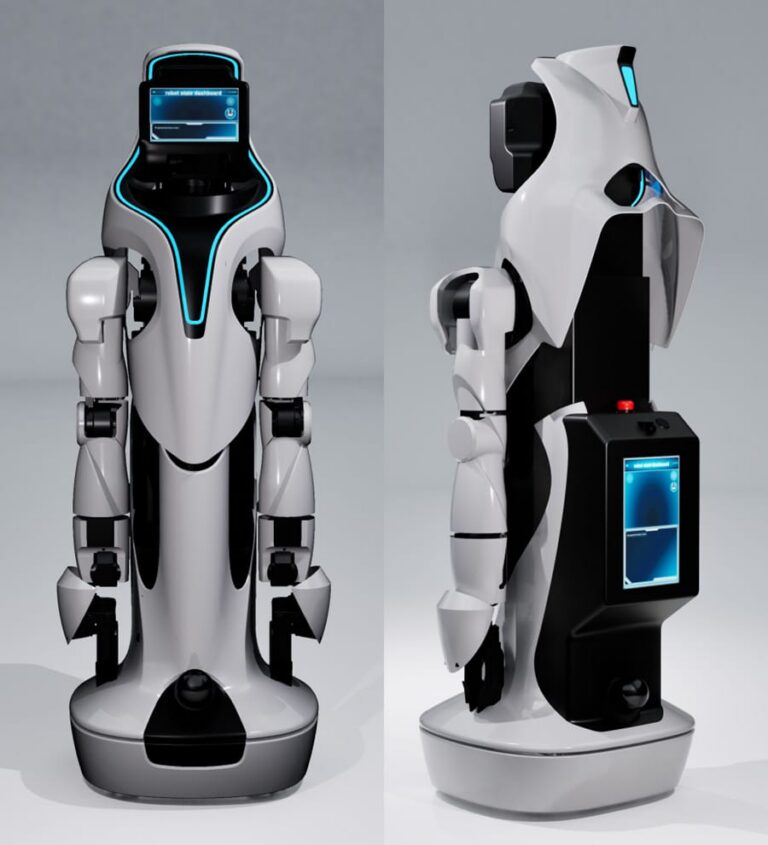
The humanoid robot created at UC San Diego, named “Surgie,” weighs significantly less than traditional surgical robots and is equipped with legs for mobility. This feature allows Surgie to navigate the operating room efficiently and assist human surgeons in various environments where a large robotic system would be impractical.
The study, published in the journal Nature, involved feedback from human surgeons and trainees who interacted with the robots during the trials. While the remote operators mentioned latency issues that need improvement for long-distance operations, overall, the integration of the robots into surgical workflows was well received.
Dr. Michael Yip, a senior author of the study and director of UC San Diego’s Advanced Robotics and Controls Laboratory, emphasized the potential of humanoid robots in addressing staffing challenges in surgical teams, especially in remote or challenging environments. The surgeons involved in the trials noted that despite some initial issues, the robots showed promise in streamlining surgical procedures and reducing operating time significantly.
Looking ahead, the researchers aim to further enhance the robots’ performance and address any technical limitations to make them more efficient for a wide range of medical settings. The development of robotic systems like Surgie could revolutionize surgical practices and improve patient outcomes in diverse healthcare scenarios.
About the Author