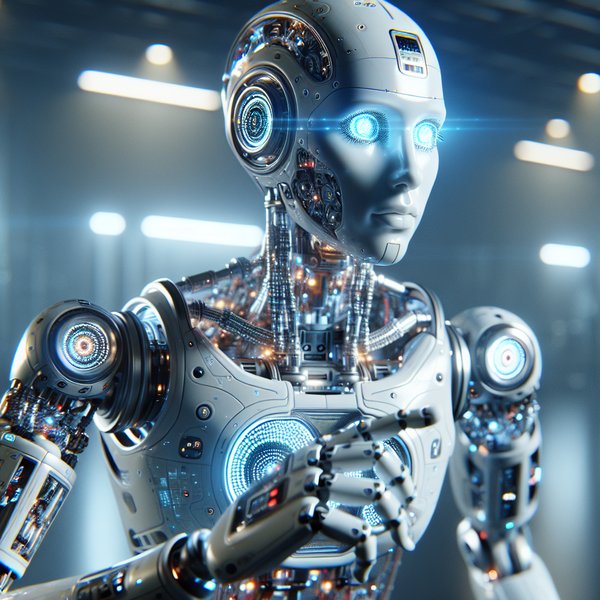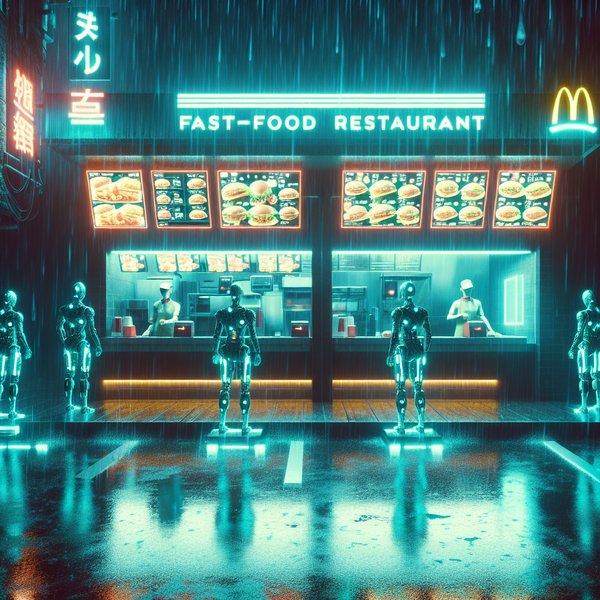
In a Chinese city, a McDonald’s branch introduced humanoid robots to customers for a temporary period, showcasing a unique dining experience. The restaurant in Shanghai featured lifelike robots equipped to perform tasks traditionally carried out by human employees, such as taking orders and serving food. The robots, donned in the iconic red-and-yellow McDonald’s uniforms, engaged with diners, while some children playfully interacted with the robotic animals present in the restaurant.
The humanoid robots, provided by Chinese company Keenon Robotics, were part of a trial run at the McDonald’s location to mark the grand opening of the Shanghai Science and Technology Museum restaurant. According to Digitaltrends, the presence of the robots was limited to five days, from March 14 to 19. Keenon Robotics shared videos on social media showcasing their robots in action, emphasizing how automation is seamlessly integrating into the dining experience and enhancing customer satisfaction.
McDonald’s clarified that the robots were solely deployed for a temporary engagement and were not involved in the actual service or operational functions of the restaurant. Jon Banner, the global chief impact officer of McDonald’s, confirmed on Twitter that the robots were primarily present for a temporary greeting during the specified period.
The unique initiative at McDonald’s Shanghai comes at a time when concerns about automation and artificial intelligence replacing human jobs are on the rise. Reports from the Wall Street Journal highlighted Amazon’s increasing use of robots over human employees in its warehouses, with over 1 million robots currently operating across their facilities. These robots play vital roles in streamlining warehouse operations, handling tasks like item retrieval from shelves and facilitating order processing alongside human workers.
As technology continues to advance, the integration of robots in various industries, including dining and retail, illustrates a shift towards efficient and automated solutions aimed at improving customer experiences and operational processes. The coexistence of human workers and robots showcases a potential future where both can collaborate to enhance productivity and innovation in the workplace.
About the Author