Xiaomi has ventured into using humanoid robots in its electric vehicle manufacturing plants to enhance productivity, the company’s president shared with CNBC. During an interview at the Mobile World Congress trade show in Barcelona, Spain, Lu Weibing revealed that two humanoid robots can accomplish 90% of tasks within three hours. These robots are adept at activities such as installing nuts and shifting materials across the factory floor.
Weibing emphasized that the primary challenge of integrating robots into production lines is ensuring they can keep pace with the workflow. He highlighted that in Xiaomi’s car factory, a new car rolls off the assembly line every 76 seconds, and the two humanoid robots can seamlessly match this efficiency. Xiaomi’s focus on deploying humanoid robots in factories to bolster productivity underscores its commitment to technological advancement.
Weibing envisions a future where humanoid robots play a pivotal role in specific tasks, eventually taking over functions that are currently carried out by humans. Though Xiaomi introduced its CyberOne humanoid robot in 2022, it is not yet available for sale. Nevertheless, Weibing noted that the utilization of robots in production facilities is still in its nascent stages, describing them as interns in their current capacity.
The experimentation with humanoid robots in production facilities illustrates the rapid pace at which Chinese companies are investing in and enhancing robotic technologies. Numerous Chinese firms, including those recently listed publicly, are actively developing such technology. Experts predict a significant growth in robot production by Chinese companies this year, with China being an early leader in adopting such innovations.
RBC Capital Markets analysts forecast a substantial global market potential for humanoids exceeding $9 trillion by 2050, with China expected to contribute over 60% of this market. Xiaomi, traditionally known for a wide range of consumer electronics, has ventured into the electric vehicle sector in recent years, showing promising growth.
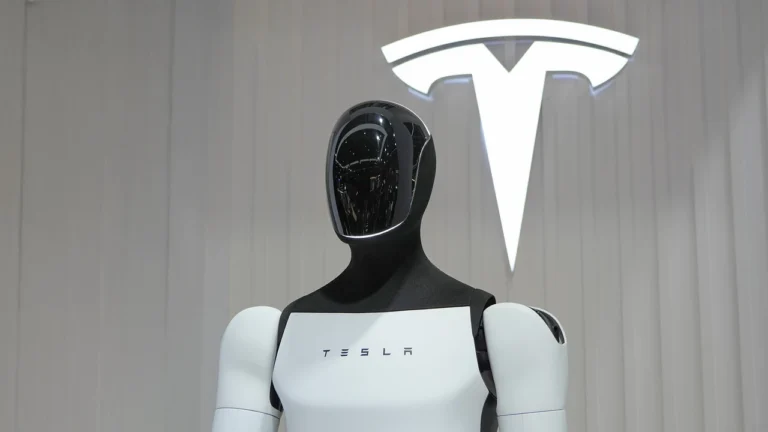
While expressing optimism about the robotics field, Weibing also acknowledged that it is premature to determine the market’s full extent. Several other Chinese companies, such as EV startup XPeng and smartphone player Honor, have delved into robotics development. In the United States, Tesla’s Elon Musk aims to position his company as a leader in robotics and AI technology. Earlier this year, Tesla announced plans to discontinue production of certain vehicle models to focus on creating Optimus humanoid robots at its Fremont, California facility.
About the Author