In recent years, the realm of Artificial Intelligence (AI) has primarily existed on our screens and in the cloud, representing a brain without a physical presence. Although significant advancements in technology, such as large language models (LLMs) and predictive algorithms, have revolutionized data analysis, the physical aspect of work, commerce, and daily life remains largely untouched. This disparity highlights the need to bridge the gap between innovation and physical reality.
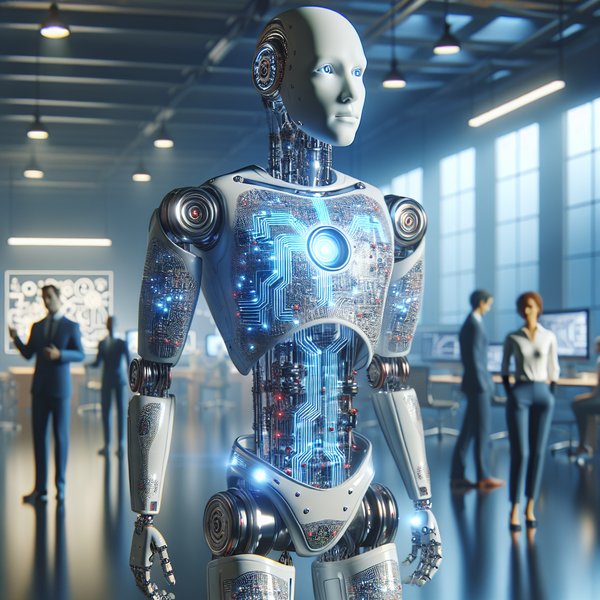
The next breakthrough in technology is Embodied Artificial Intelligence (EAI), which involves merging advanced robotics (the body) with sophisticated, generalized AI (the brain). EAI systems are not merely designed to process information but to autonomously and intelligently navigate the physical world. This shift towards Human-Centered Innovation aims to eradicate the monotony, risks, and limitations of physical labor, enabling humans to concentrate on tasks that demand judgment, creativity, and empathy.
To effectively implement EAI, organizations must shift their perspective: these entities should not be viewed as mechanical replacements but as partners that enhance and elevate the human experience. Embracing the concept of Human-Embodied AI Symbiosis will be key for businesses to thrive, as it eradicates the notion of human versus machine and fosters a collaborative model. EAI facilitates change by enabling three vital shifts in how work and society are structured:
Firstly, while traditional automation focuses on repetitive tasks, EAI provides intelligent augmentation. By adapting and learning in real-time within dynamic environments, EAI agents can handle unforeseen circumstances that scripted robots cannot. This elevates the role of humans from overseeing simple processes to managing complex situations and enhancing system intelligence.
Moreover, EAI offers a solution for physically demanding, hazardous, or repetitive human jobs like manual labor and inspections, freeing up human resources for tasks requiring emotional intelligence and creativity. By prioritizing EAI deployment, organizations committed to Human-Centered Innovation can mitigate physical risks and promote the dignity of work.
EAI’s implementation has shown remarkable success stories, such as PowerLine reducing inspection time and enhancing human safety in high-risk environments, and ElderCare improving caregiver well-being and resident satisfaction. These examples demonstrate that the true value of EAI lies in enhancing human capabilities and safety rather than economic gains.
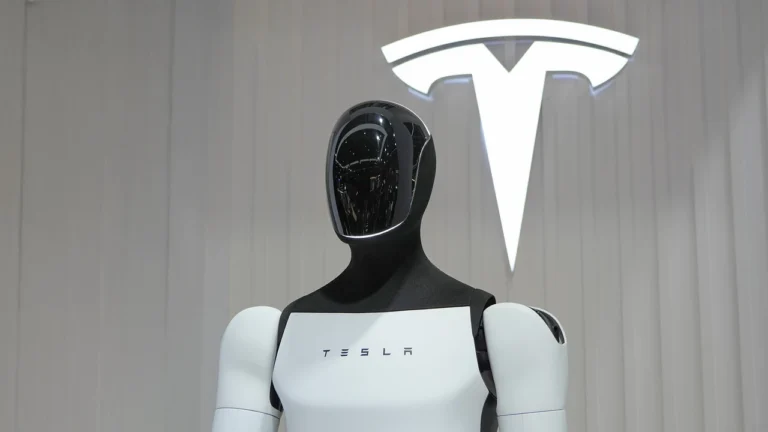
As the push towards commercializing EAI gains momentum, leaders should focus on key players in this field such as Boston Dynamics, Sanctuary AI, and Tesla, who are pioneering advancements in hardware and software integration. By embracing Embodied AI as a Human-Centered Innovation project, organizations can leverage this technology to enhance safety, dignity, and innovation in the workforce.
In conclusion, Embodied AI represents a transformative shift in how human civilization operates. By leveraging EAI to eliminate physically demanding tasks and prioritize human ingenuity, organizations can elevate the strategic value of their workforce. This collaborative model between humans and EAI agents can revolutionize work dynamics and drive unprecedented levels of safety, dignity, and innovation.
About the Author