Google DeepMind has unveiled two cutting-edge AI models, Gemini Robotics and Gemini Robotics-ER (extended reasoning), aimed at elevating robots’ capabilities in the physical realm through artificial intelligence. While Google is leading the charge in this endeavor, other major players such as OpenAI and Tesla are also exploring AI-driven robot technology.
The new AI models, integrated into Google’s Gemini 2.0 framework, are engineered to empower robots to adapt to diverse scenarios, comprehend and promptly act on instructions, and handle objects with finesse. Google envisions a future where autonomous robots will function seamlessly under AI guidance, devoid of human intervention.
In a strategic move, Google has partnered with Apptronik, a reputable robotics firm based in Texas, to develop next-generation humanoid robots powered by Gemini 2.0. Apptronik, recognized for its collaborations with Nvidia and NASA, secured substantial funding from Google in a $350 million investment round. Demonstrative videos released by Google exhibit Apptronik robots equipped with the new AI models executing various tasks like connecting items to power sources, packing lunchboxes, rearranging plastic vegetables, and securing bags, all upon verbal commands.
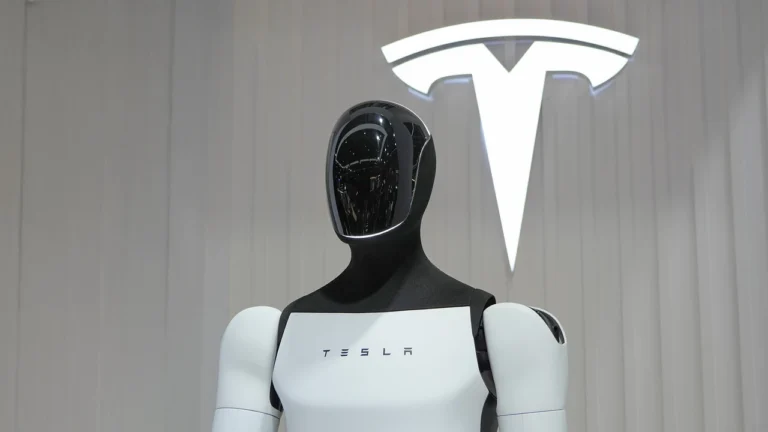
Although Google has not disclosed a timeline for the commercial release of this pioneering technology, the demonstration videos provide a glimpse into the immense potential of AI-powered robots. Beyond Google, both OpenAI and Tesla are actively engaged in AI advancements for robotics. OpenAI has ventured into Physical Intelligence, a startup concentrating on deploying general-purpose AI into physical domains by crafting large-scale AI models and algorithms for robots. Tesla, on the other hand, has made strides in humanoid robotics with its Optimus robot.
Google’s CEO, Sundar Pichai, regards robotics as a pivotal testing ground for translating AI progress into tangible real-world applications. Pichai emphasizes that the robots will leverage Google’s multifaceted AI models to adjust to their environments and enact real-time modifications.
As companies forge ahead with AI-driven robotics, the merger of artificial intelligence and physical manipulation promises to revolutionize various industries and redefine human-robot interaction.
About the Author