The advancement of robotics has led to the creation of ultra-realistic humanoid robots that blur the line between fascination and fear. A Chinese robotics company named Aheadform recently introduced a lifelike robotic head, the Origin M1, that mimics human facial expressions with such precision that it sparked discomfort among viewers on social media. This phenomenon, known as the uncanny valley, describes the unsettling feeling people experience when machines appear almost human but fall short of true realism.
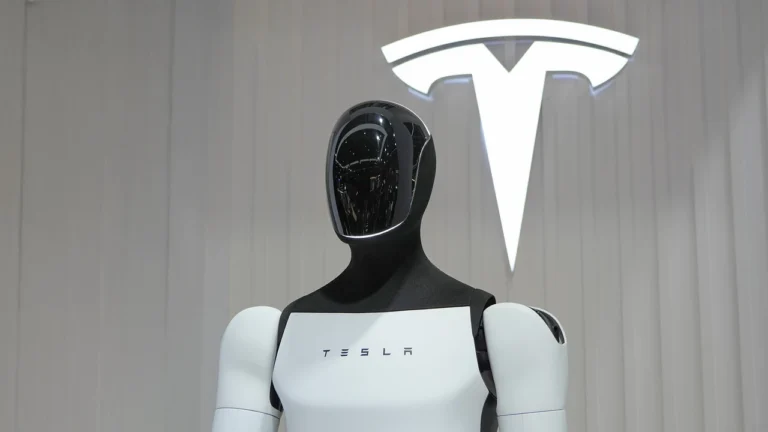
Psychologists warn that as robots become more human-like, the discomfort and unease surrounding them are on the rise. Companies like Tesla, Figure AI, and Unitree are developing humanoid robots capable of performing various tasks, from serving food to folding laundry. However, the challenge lies in finding the right balance between creating robots that are approachable and friendly without venturing into the eerie realm of being too lifelike.
Recent studies have shown that moderate anthropomorphism in robots, such as adding simple facial animations and limited voice cues, can increase trust and acceptance among users. Consumers tend to prefer robots that have a human touch but not to the extent that they become indistinguishable from humans. Researchers emphasize the importance of designing robots that project just enough humanity to instill trust while maintaining a safe distance from appearing too human.
As the global service-robot market continues to expand, driven by industries such as hospitality, logistics, and healthcare, the debate around human-like robots and their impact on society becomes increasingly significant. Finding the right balance in robot design will be crucial for their successful integration into various service sectors. By understanding the delicate relationship between realism and acceptance, designers can create robots that are functional, approachable, and well-received by users.
About the Author