Unitree, a prominent Chinese robotics company celebrated for its acrobatic humanoid robots and robotic canines, experienced a remarkable 460% surge following its initial public offering in Shanghai. The company, which mesmerizes audiences with robots that dance and perform martial arts, as well as sparks national security discussions in the United States, raised a substantial 6.1 billion yuan (equivalent to approximately $904 million) during its IPO. Hailing from Hangzhou, Unitree holds the distinction of being the first robotics enterprise from mainland China to go public, attracting investments from notable entities such as AI facilitator DeepSeek and tech titan Tencent.
The impressive debut of Unitree transpired just 48 hours after the unveiling of its cutting-edge humanoid robot named “Superman,” acclaimed for its ability to leap over six feet high and reach speeds exceeding 28 miles per hour. Market analysts from JPMorgan Chase & Co. noted the company’s imminent shift towards mass production, marking a pivotal moment for Unitree’s growth. Following the IPO, the company’s CEO, 36-year-old Wang Xingxing, witnessed a monumental increase in personal wealth, soaring to a reported $16 billion as per Forbes valuations.
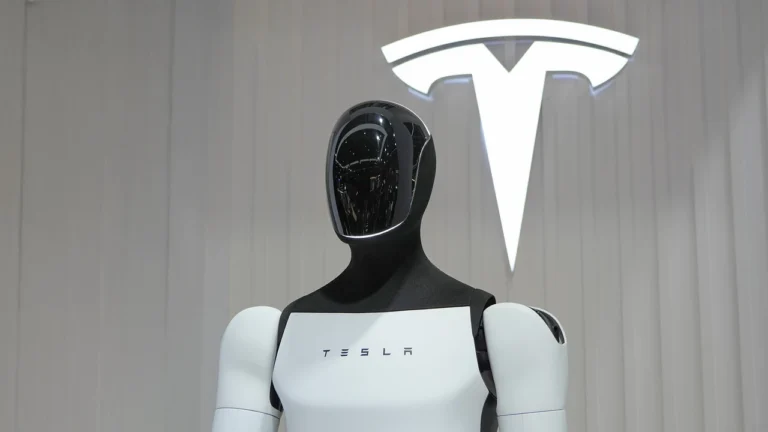
In the financial realm, Unitree reported a revenue of about $250 million last year, with a notable 13% stemming from its operations in the US. Meanwhile, in the United States, Tesla founder Elon Musk has outlined intentions to develop a significant quantity of “Optimus” humanoid robots; however, these plans have yet to materialize on a large scale. US authorities have been closely monitoring the advancement of humanoid robots by companies like Unitree and other Chinese counterparts, expressing apprehensions about potential misuse for disruptive activities or espionage by state-backed operatives.
In a recent move, the Federal Communications Commission (FCC) prohibited the importation of foreign-manufactured humanoid robots and “robot dogs,” a decision viewed as targeting China, which dominates approximately 85% of the global market share. FCC Chairman Brendan Carr emphasized that the ban, applicable to new versions of these robots, aims to safeguard crucial supply chains within the United States. Moreover, the Pentagon added Unitree to a list of companies collaborating with the Chinese military in June, further indicating the heightened scrutiny surrounding the company’s operations.
About the Author