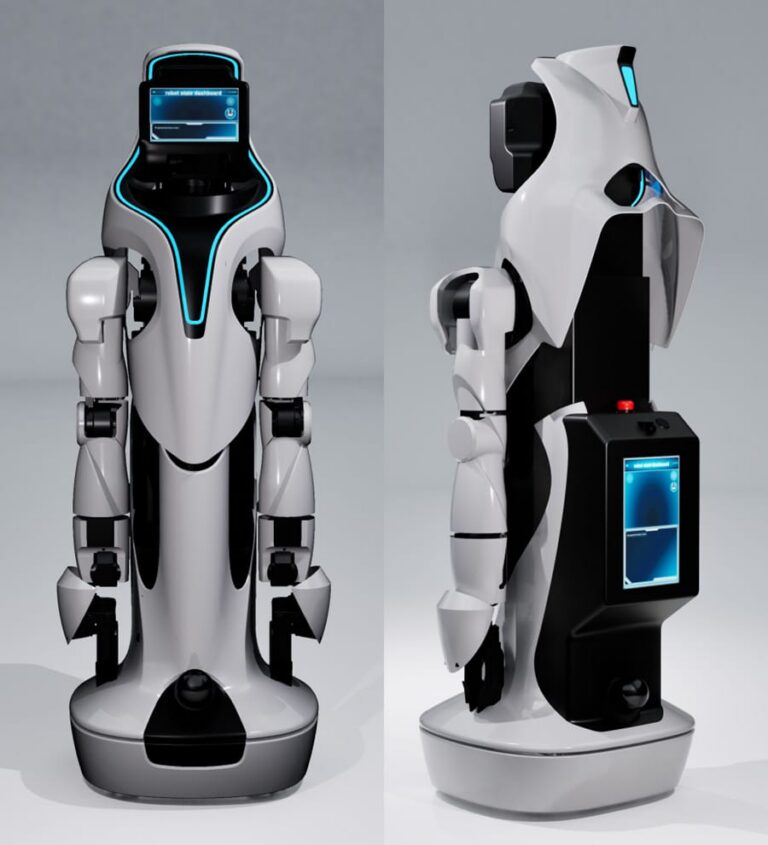
Samsung Electronics is venturing into the realm of robotics by establishing a new division named RX, which stands for Robotics eXperience. This initiative aims to position robots as a key driver of future growth for the company. The RX division will operate under the direct supervision of Samsung co-CEO Roh Tae-moon, who also heads the Device eXperience division. The core focus of the new unit will include developing robotics strategy, advancing core technology, and executing commercial initiatives.
With a goal to enhance its robotics capabilities, Samsung is consolidating its robotics teams and technologies under the RX division. By streamlining these efforts, Samsung aims for a unified approach in product development, commercialization, and shaping the broader robotics roadmap. This move underscores Samsung’s keen interest in the field of physical AI, where artificial intelligence enables machines to function in real-world environments. The company sees the advancement in physical AI as a catalyst for making robotics a more commercially viable sector.
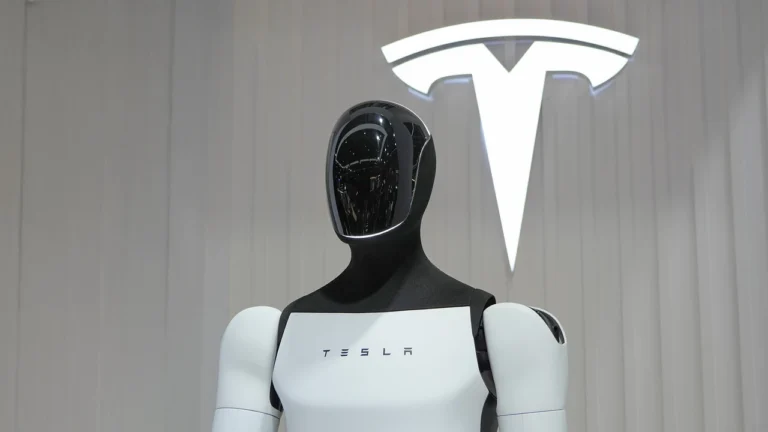
Samsung’s initial priority is to concentrate on humanoid robots for industrial use, with plans to extend the technology to households and retail environments as reliability improves. The company has set a target to achieve tangible advancements in humanoid robotics by 2026. To accelerate robotics development and commercialization, Samsung is open to further investments and acquisitions. Lee Dong-kun, an executive vice president with experience in robotics strategy at Hyundai Motor Group, has been appointed to lead the Robotics Strategy Team within the RX division.
In addition to internal expertise, Samsung is augmenting the RX division with academic specialists in autonomous robot control and robotic hand technologies. This move builds upon Samsung’s previous investment in Rainbow Robotics, a South Korean robotics firm in which Samsung now holds a significant stake. Rainbow Robotics and Samsung have collaborated on manufacturing robots, humanoid-related technologies, and physical AI systems.
Samsung is establishing the RX division at its Seoul R&D Campus and will implement a robotics data factory at its Gumi site to leverage real-world data for enhancing robot AI and control systems. The company also plans to set up research hubs in the United States, China, and Japan to tap into local robotics talent and ecosystems. This strategic shift by Samsung towards robotics reflects its broader ambition to diversify beyond traditional revenue streams like smartphones, appliances, and semiconductors. While Samsung holds advantages in various areas crucial to robotics development, such as manufacturing, components, and supply chain scale, the path to creating reliable robots may be long and challenging.
By elevating robotics to a CEO-level division, Samsung is signaling its strong commitment to making robotics a core element of its future growth strategy. This move signifies a significant organizational shift, highlighting that Samsung is no longer treating robotics as a peripheral project but as a central focus of its business strategy.
About the Author