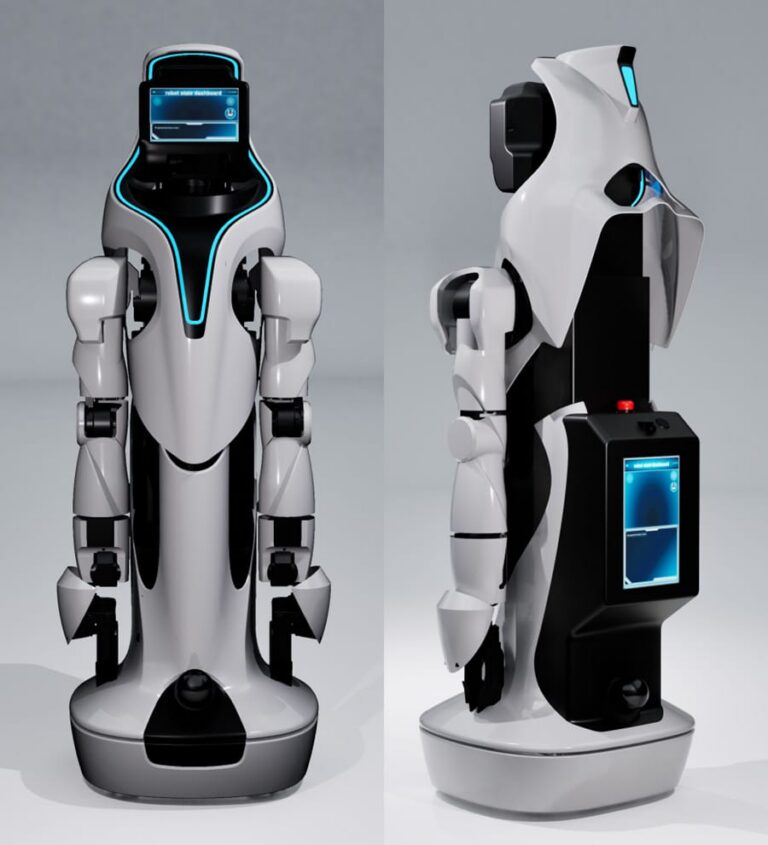
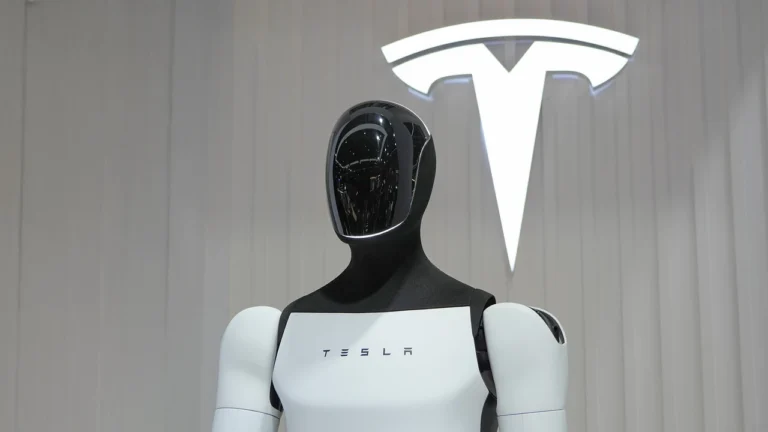
Information also flows through smartphones. The robotics startup, Figure AI, has launched a live streaming feed that has been ongoing for nearly a week, showcasing its humanoid robots arranging thousands of parcels on a conveyor belt. This event, including a challenge between a robot and a human intern, has gone viral among tech enthusiasts, raising questions about the true extent of the demonstrated robotic capabilities. Initiated on May 13th, the broadcast is serving as a rigorous endurance test for Figure AI’s new Figure 03 models. However, experts caution against solely basing evaluations on performances in a controlled environment.
Figure AI’s initiative aimed initially at having the robots operate autonomously for eight consecutive hours. CEO Brett Adcock initially tempered expectations, acknowledging technical challenges. Despite this, the live stream has exceeded all expectations, becoming a mass phenomenon. The robots, affectionately named by YouTube users, have prompted the company to launch a dedicated merchandise line. Some commentators have likened the event to the groundbreaking launch of the first iPhone, referring to it as “the biggest product demonstration since Steve Jobs.”
The task assigned to the robots appears straightforward: inspect barcodes on parcels of various sizes and place them on a conveyor belt with the code facing down. The challenge lies in the repetitive and precise actions required for an extended period. To make the demonstration more spectacular, a race between a robot and a human intern was organized, with the machine triumphing in terms of speed and endurance. This event has sparked debates on the impact of automation on human labor, a central theme in the robotics sector.
At the core of the system is the Helix 02 neural network, developed by Figure to ensure complete body control and “long-range autonomy.” This neural controller has been trained on over a thousand hours of human motion data and through simulations in over 200,000 parallel environments. This approach enables the robots to adapt to unforeseen variations, such as irregularly placed parcels or slight changes in the conveyor belt’s surface. The live streaming serves as a public test of the system’s reliability, crucial for attracting investors and potential clients in the logistics sector.
Despite the enthusiasm, concerns remain about scalability and costs. Humanoid robots are still expensive to produce and maintain, with limited autonomy for specific tasks. While Figure’s demonstration is impressive, it does not address issues like battery life, operation in confined spaces, or handling sudden malfunctions. Furthermore, the absence of human interaction during the broadcast raises safety questions in environments with human staff, a significant regulatory requirement.
Figure AI has announced that the live stream will continue until the robots show signs of fatigue, turning the event into an unprecedented endurance test. The company intends to use the gathered data to enhance the Helix 02 system and prepare for the commercial launch of the Figure 03 models by the end of the year. If successful, this project could mark a turning point in the adoption of humanoid robots in the industry, although challenges in terms of technical and economic obstacles still lie ahead.
While Figure AI’s live stream represents progress in publicly demonstrating robotic capabilities, it’s essential to remember that true innovation is measured by the ability to function in real-world conditions, rather than in a controlled setting. As enthusiasts continue to watch the robots tirelessly package items, the industry awaits further developments, aware of the fine line between entertainment and technological progress.
About the Author