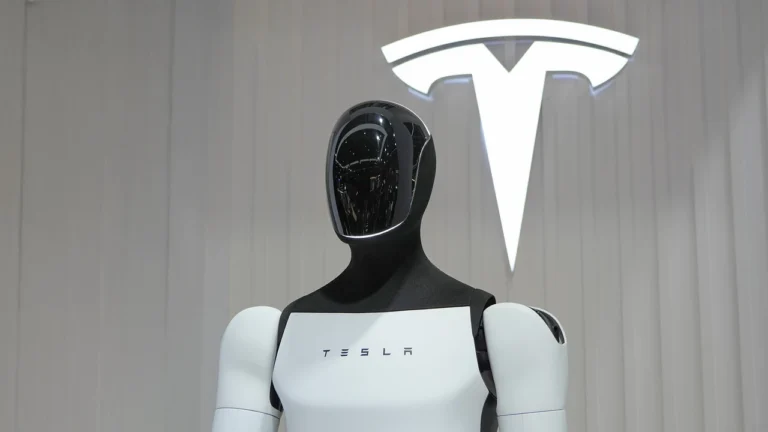
The manufacturing industry is on the verge of a new transformative era – the cognitive industrial revolution. This revolution is characterized by the integration of technologies such as artificial intelligence (AI), advanced robotics, digital twins, data, and the Internet of Things (IoT) into manufacturing processes. It represents a significant advancement in automating and optimizing production processes, requiring leaders to stay informed and invest wisely.
At the forefront of this revolution is the increasing adoption of robots, but these are not the robots we might envision from science fiction. Modern robots are equipped with AI, known as physical AI, enabling them to operate with agility and autonomy. Robots have a rich history and first emerged in the 1920s, with the term ‘robot’ originating from the Czech word ‘Robota,’ meaning forced labor. While robots can resemble humans, they come in various forms, from humanoid robots to specialized machines like Roomba vacuum cleaners or surgical robots in hospitals.
The first computer-based production robot, Unimate, was invented in 1954 by George Devol and was used by General Motors for lifting and stacking hot metal pieces. Today, robots are common in manufacturing, food processing, healthcare, warehousing, and logistics. Giant retailers like Amazon rely on robots for various tasks, with over 750,000 robots operating across their organization.
Technology advancements, particularly in AI, are driving the development of a new generation of robots capable of perceiving their environment, making decisions, and executing tasks autonomously. Robots are increasingly being used for human collaboration, performing dangerous or repetitive tasks, and even enabling lights-out manufacturing where production operates without human intervention, resulting in substantial cost savings.
The future of cognitive manufacturing envisions humanoids and robots performing complex tasks autonomously across industries. This technological shift raises ethical considerations concerning job displacement, accountability, and surveillance. As this revolution unfolds, organizations must prepare for the implications on industries, the workforce, and the human-technology relationship.
The pace of change brought by the cognitive industrial revolution will be rapid and all-encompassing, impacting various aspects of society sooner than anticipated. Leaders must proactively adapt to this evolving landscape, envisioning how intelligent robots will reshape industries and redefine the nature of work. Embracing this future requires a strategic approach to leverage the potential benefits while addressing the ethical challenges that come with integrating advanced technologies into our daily lives.
About the Author