Unitree Robotics is gearing up for the imminent launch of its most budget-friendly humanoid robot, the R1, in various international markets next week. Notably, this launch is notable due to its innovative sales strategy. Departing from conventional enterprise sales methods, Unitree is set to introduce humanoid robots directly onto online platforms, with AliExpress being its initial choice. This move signifies a shift towards a more accessible, e-commerce-centric sales approach. The primary launch will encompass regions in North America, Europe, Japan, and Singapore. Additionally, the company will be part of Alibaba’s Brand+ channel, ensuring perks like complimentary shipping, hassle-free returns, and enhanced global visibility. Furthermore, the company plans to explore additional online and brick-and-mortar sales channels in the near future.
Initially unveiled in China in 2025 at an entry price of 29,900 yuan (approximately $4,370), the R1 has quickly become one of the most economically priced humanoid robots on the market. Although global pricing details are yet to be disclosed, Unitree is anticipated to maintain competitive pricing strategies. Standing at a height of 123 cm and weighing over 27 kg, the R1 is engineered for versatile movements. From executing cartwheels and running downhill to rising from the ground and performing intricate routines, this robot’s focus on agility and motion is underlined by its positioning as “Born for sport.”
Unitree’s decision to retail robots online marks a significant shift in the marketing and distribution of humanoid machines. Historically, robots were primarily retailed through enterprise agreements or research arrangements. However, by listing products on platforms such as AliExpress, Unitree is democratizing access for developers, educators, and early adopters worldwide. This strategy will further build upon its current customer base, with a significant portion of its 2025 shipments directed to universities and research institutions. The online sales model has the potential to extend this ecosystem even further.
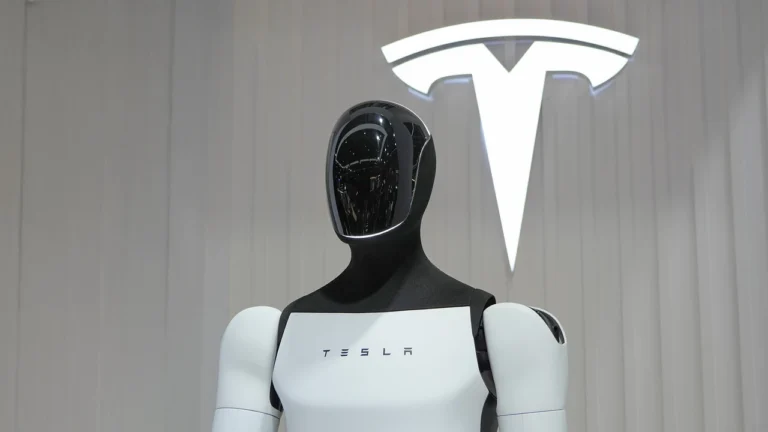
In 2025, Unitree dispatched more than 5,500 humanoid robots, surpassing competitors like Tesla, Figure AI, and Agility Robotics, each of which delivered around 150 units. The company has ambitious plans to ship between 10,000 to 20,000 units in the upcoming year. By leveraging a highly localized supply chain, with over 80% of components procured within China, Unitree can offer robots at significantly lower prices than the global average, wherein comparable machines may cost up to $300,000. The forthcoming global launch, which focuses on online sales as a priority, has the potential to revolutionize the humanoid robotics sector. Through combining competitive pricing with easy e-commerce access, Unitree is poised to assess real-world demand beyond laboratory and factory settings. If successful, this strategy could hasten adoption rates and bring humanoid robots into the hands of mainstream consumers more rapidly than previously anticipated.
About the Author