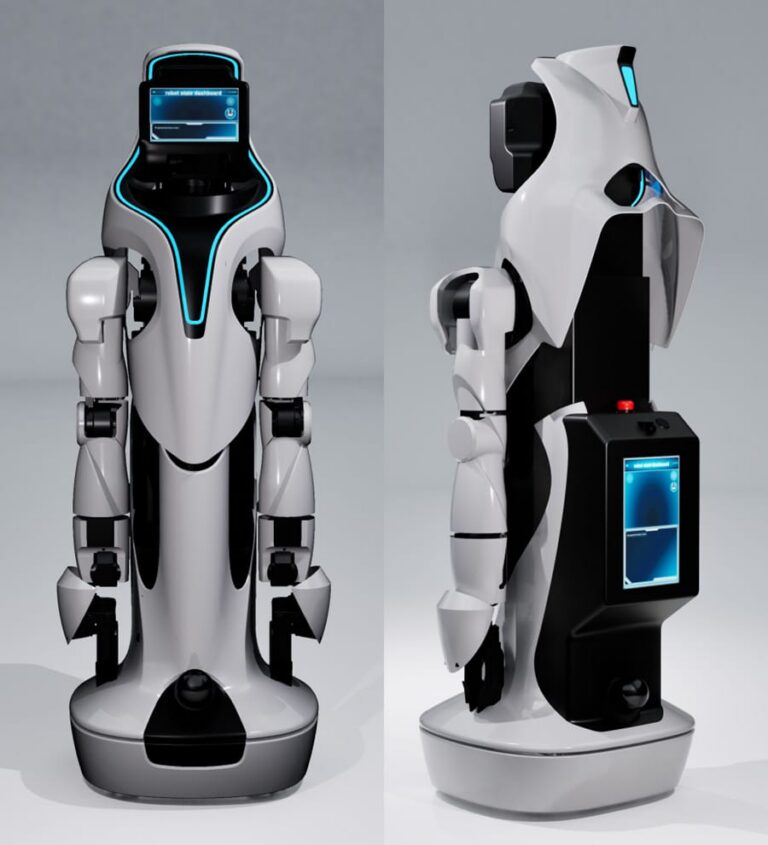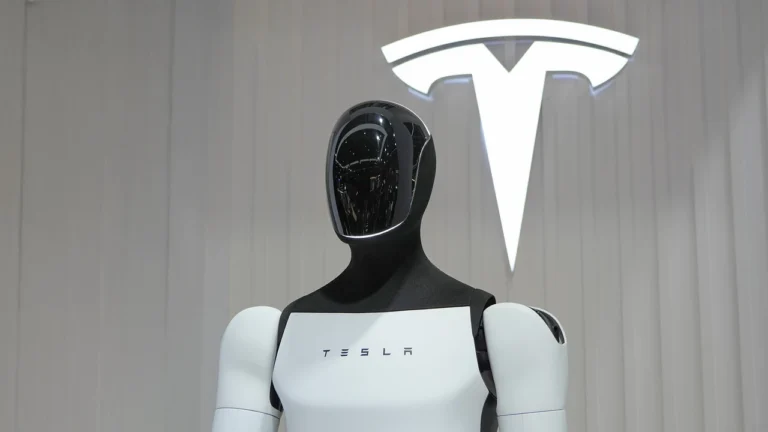
China’s robotics industry has successfully transitioned from impressive trade show displays to widespread commercial implementation. Robots are now being utilized in various sectors such as factories, retail establishments, and elderly care facilities all across China. The Ministry of Industry and Information Technology (MIIT) reported that during the first half of 2026, Chinese-made quadruped robots dominated 70% of global sales while over 400 models of humanoid robots were introduced, constituting more than half of the world’s total.
Wang Weiming, the MIIT’s chief engineer, highlighted the significant progress made under the “Robot+” initiative. Inspection robots are now in operation in challenging environments like underground mines and high-voltage tunnels. Industrial robots are being integrated into automotive welding lines on a large scale, gradually supplanting human workers in high-risk conditions such as high temperatures, toxicity, and high altitudes.
The 2026 World Artificial Intelligence Conference (WAIC) held in Shanghai shed light on China’s robotics industry’s evolution from theoretical breakthroughs to practical applications. Manufacturers like Lejoin Intelligence showcased mass-produced robots performing tasks like depalletizing cartons, handling plastic crates, and loading small components, indicating their readiness for implementation in factory settings. Mech-Mind Robotics, another industry leader, introduced its “One Brain, Multiple Forms” AI system, which uses the Mech-GPT multimodal foundation model to support diverse types of robots ranging from humanoid to industrial and mobile, facilitating tasks from industrial collaboration to retail order fulfillment.
Robots are not just confined to industrial settings; they are increasingly integrated into daily life. In a smart elderly care station in Beijing’s Yizhuang region, over 40 intelligent robots operate within a four-story, 1,100-square-meter facility, providing services like cooking, meal delivery, and daily care assistance. Similarly, in a FamilyMart convenience store in Beijing, customers can interact with a robotic store assistant that efficiently prepares and serves freshly grilled sausages upon request.
From revolutionizing factory operations to enhancing elderly care services and streamlining neighborhood convenience stores, robots are swiftly infiltrating everyday service sectors. As embodied AI technology advances and commercial adoption accelerates, the once-distant vision of humans and robots collaborating side by side is becoming a tangible reality.
About the Author