The hospitality industry has long been synonymous with warm hospitality, unforgettable experiences, and guest retention. However, a pressing issue faces hotel owners, general managers, and operators behind the scenes: labor shortages and escalating costs. Essential entry-level positions crucial for the daily functions of hotels such as room attendants, food runners, and service staff are increasingly challenging to fill. Recruiting and retaining talent now demands significantly higher wages, with positions that previously paid $6 an hour now requiring $16-$25 when considering both wages and benefits. This surge in costs has created immense pressure on the profitability of many establishments. The critical question arises: how can hotels maintain the expected service quality for guests while ensuring operational sustainability?
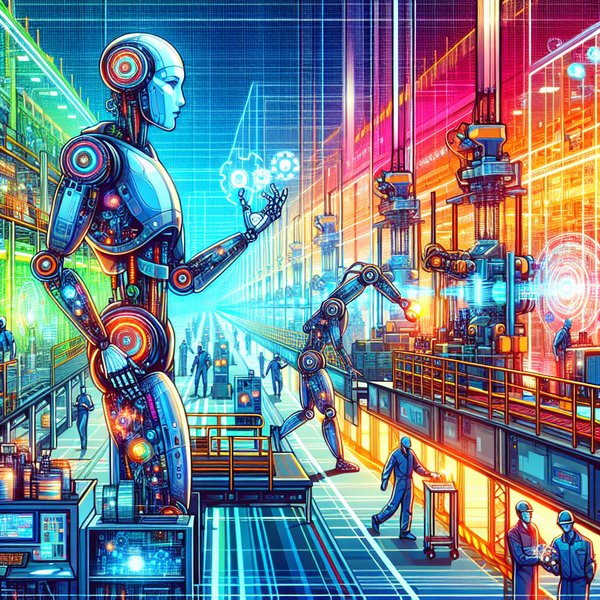
In the quest for solutions, the typical strategies in the hospitality industry — like implementing more recruitment programs, offering additional incentives, and enhancing work flexibility — fall short of addressing the real issue: the diminishing labor pool. This is where robotics emerges as a practical alternative. The utilization of robotics in this context is not a mere futuristic concept but a tangible and effective technology that is already enhancing operations. The return on investment for numerous robotic solutions can be achieved in as little as four months, making a compelling case for hotel owners and operators. Robots boast several advantages such as being immune to sick days, avoiding overtime costs, and being capable of round-the-clock work. By automating repetitive and low-value tasks, hotels can redirect human resources to roles that necessitate personal interaction and emotional intelligence — aspects where human employees excel and robots cannot compete.
The integration of robotics is not a displacement of human jobs but a strategic reallocation of resources for better efficiency. By allowing robots to handle routine tasks, staff can focus on creating engaging guest experiences that foster loyalty and positive feedback. Far from being a mere gimmick, guests often enjoy interacting with robots. For instance, delivery robots can add a touch of fun and novelty to a guest’s stay, providing swift and reliable service that guests appreciate. Crucially, robots contribute to consistency in service, ensuring faster delivery of towels, room service, or amenities with minimal delays due to staffing shortages. In a competitive industry, this reliability can distinguish a property from its peers.
In the dynamic landscape of hospitality, innovation swiftly becomes the norm. Robotics is on a similar trajectory, with forward-thinking hotel managers and owners already leveraging robotic technology to enhance operations. By embracing robotics early on, hoteliers can position their properties as efficient and guest-centric, delivering tangible benefits to both owners and guests. Robotics offers substantial advantages, from cost savings and operational efficiency to enhanced guest experiences.
In conclusion, robotics represents the next evolution in the hospitality industry, acting as a catalyst for increased competitiveness, profitability, and guest satisfaction. Hotel leaders are encouraged to move beyond conventional recruitment methods and explore the transformative potential of robotics in their operations. Embracing robotics today can position a property for long-term success, blending profitability with top-notch service standards, and delivering remarkable experiences to every guest.
About the Author