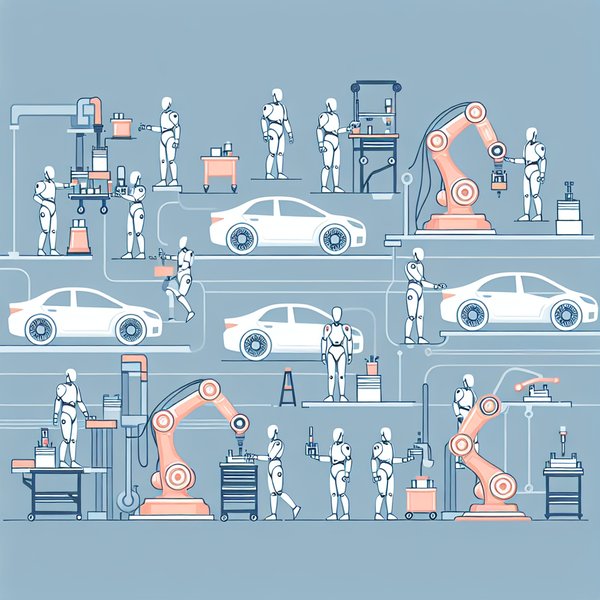
The world’s fascination with humanoid robots has reached an all-time high, with China cautioning about the possibility of a bubble akin to the overhyped AI market. In the past year, investments in humanoid robotics have surged significantly, as companies vie to introduce robots into various settings including workplaces and homes. Despite this rapid growth, mass production remains a distant goal as engineers tackle critical design hurdles, ranging from developing agile hands to creating full-body control systems capable of performing real-world tasks such as lifting heavy objects or cooking.
Li Chao, a spokesperson for the Chinese National Development and Reform Commission, recently raised concerns about the potential humanoid robot bubble. She highlighted that the sector’s rapid expansion may not be sustainable in the long run. Li cautioned in an interview with Bloomberg, stating, “Frontier industries have always faced the challenge of balancing rapid growth with the risk of bubbles — a predicament now faced by the humanoid robot sector as well.” The repercussions of a bubble burst could reverberate across the global market, leading to reduced funding, possible mergers or failures of smaller firms, and a significant slowdown in the availability of affordable humanoid robots.
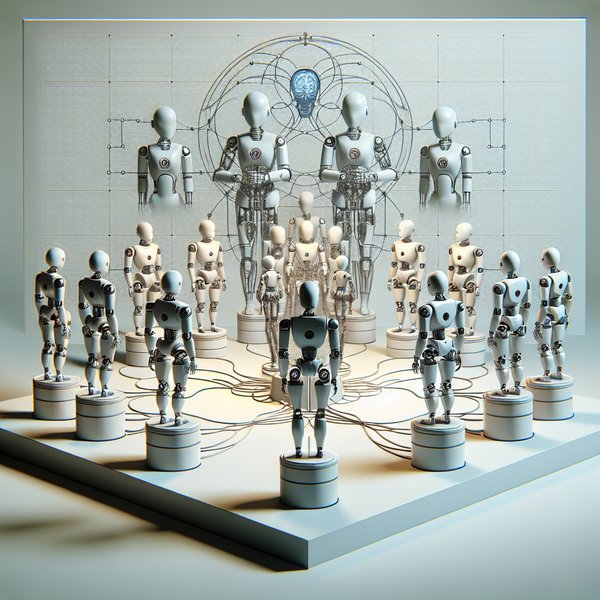
China is home to over 150 companies engaged in the production of humanoid robots. Li warned that the influx of “highly similar” robot models flooding the market could stifle opportunities for genuine innovation and impede research and development efforts. Should China’s robotics market undergo a correction, U.S.-based companies could gain temporary advantages due to decreased competition and access to more affordable resources and talent, leading to new prospects. Nevertheless, this advantage may be short-lived as Chinese companies adapt, reorganize, and persist in their investment in groundbreaking technologies.
As a result, investors may become more cautious in funding new startups venturing into the humanoid robotics sector. Companies aiming to enter or expand in this industry will need to showcase distinct technological capabilities to attract investments. While the potential for robotics to outperform humans is undeniable, particularly evident in advancements such as robot chefs emerging in Beijing and robots like Tesla’s Optimus capable of engaging in physical combat, the long-term implications of this technology evolution are yet to be fully realized.
About the Author