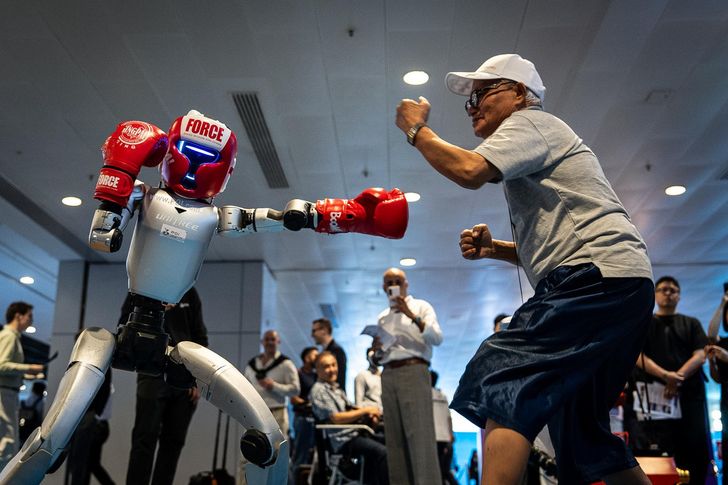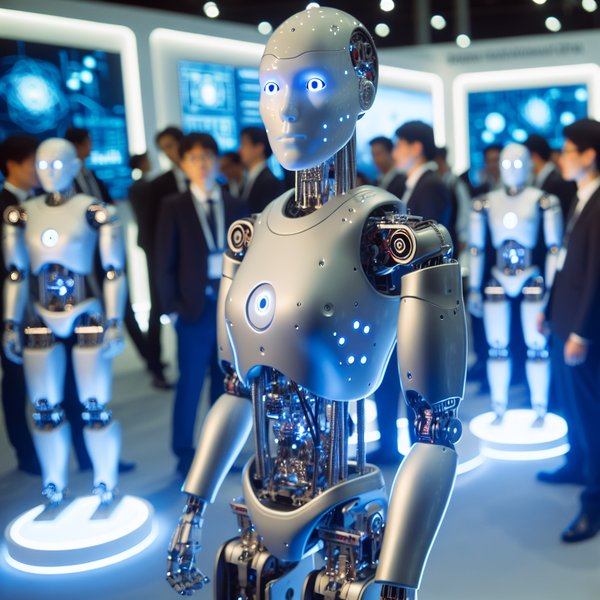
Humanoid robots took center stage at a recent Silicon Valley summit, highlighting the rapid transition from experimental labs to real-world applications. The gathering featured technology companies, robotics startups, and AI researchers showcasing robots that can walk, grasp objects, respond to commands, and navigate complex environments with human-like movements. This showcase illustrated the fusion of AI models, sensors, and mechanical design, propelling the development of robots capable of functioning seamlessly in human-centric spaces.
Industry experts emphasized that humanoid robots represent a pivotal advancement in automation, intended for diverse settings such as homes, hospitals, warehouses, and offices without the need for significant modifications to existing infrastructure. Their adaptability positions them for a wide range of roles, from elder care and logistics to manufacturing support and disaster response. The integration of advanced language models and computer vision has notably enhanced robots’ ability to comprehend instructions, adjust to new circumstances, and operate without predefined programming, resembling versatile assistants rather than single-task machines.
Despite the promising progress, challenges loom large for widespread deployment of humanoid robots. Issues like power efficiency, safety, affordability, and reliability demand further attention before these robots can be scaled effectively. Ethical concerns, potential job displacement, and regulatory frameworks also spark debates around the human-like behavior replicated by machines. The convergence of AI capabilities and physical embodiment underscores a shift towards intelligent machines that can profoundly impact human lifestyles and work environments.
In parallel news developments, Apple’s approval of a driver facilitating Nvidia eGPUs on Arm Macs signifies a pivotal development in GPU support for Apple Silicon devices. A significant EU data breach exposed sensitive information due to hackers breaching cloud systems, underlining the importance of robust cybersecurity measures. Reports of theft targeting high-tech surveillance and speed cameras along the Sukkur to Multan section of the M5 Motorway have raised security concerns. Moreover, China advancing the delivery timeline of J-35 stealth fighters to Pakistan highlights strategic collaborations in the defense sector.
As technology continues to evolve, the emergence of humanoid robots reflects a dynamic shift towards integrating intelligence with physical capabilities. While challenges persist, the progress showcased at the summit signals a tangible shift towards humanoid robots becoming a transformative reality shaping the future of human experiences and interactions.
About the Author