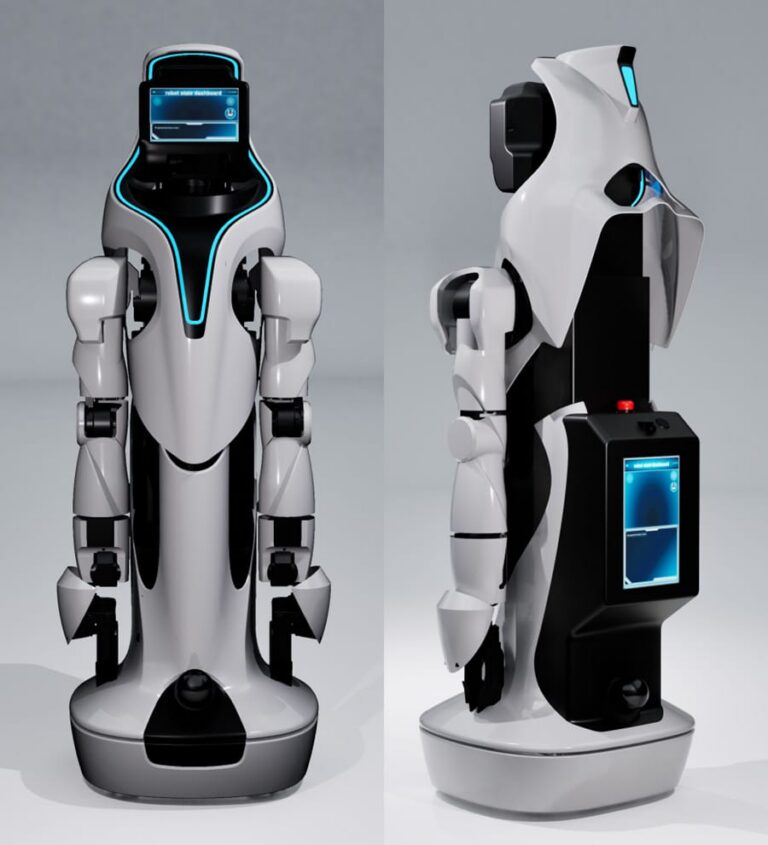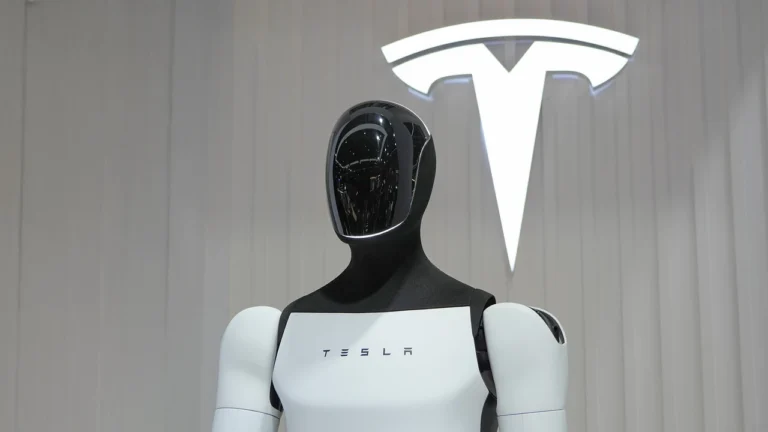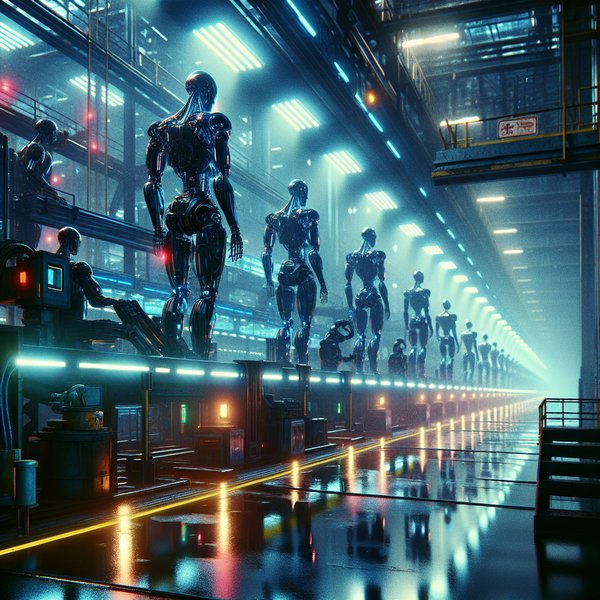
Xiaomi has made a significant advancement by moving its humanoid robot project beyond the experimentation phase to actual deployment in industrial settings. In a recent announcement, CEO Lei Jun revealed that these robots are currently being put to the test in the company’s automotive assembly plants, a crucial step towards achieving full-scale industrial automation.
These humanoid robots are being utilized in specific assembly stations to carry out tasks that require both repetition and precision, such as material box transportation and self-tapping nut loading. What sets these robots apart from traditional stationary industrial arms is their use of the “Vision-Language-Action” (VLA) AI model, called Xiaomi-Robotics-0. This advanced system combines various forms of perception, like visual data and sensor feedback, with reinforcement learning. As a result, the robots can interpret complex instructions and adapt to changing environmental factors, rather than relying solely on predetermined programs.
Xiaomi’s strategic plan includes a substantial rollout of these humanoid robots over the next five years. The company is closely monitoring key performance indicators (KPIs) to ensure the robots’ reliability. These KPIs include metrics like Mean Time Between Failures (MTBF) and Single-Task Success Rate, which evaluate the consistency of hardware and software as well as the precision of assembly tasks, respectively.
Lei Jun emphasized that continuous software optimization based on real-world experience is enhancing the robots’ capabilities, making them increasingly suitable for large-scale production requirements. This move underscores Xiaomi’s transition from a smartphone manufacturer to a diverse technology conglomerate, embracing sectors such as electric vehicles, smart home ecosystems, and cutting-edge robotics.
By incorporating AI-driven humanoid robots, Xiaomi aims to streamline operational costs and stay ahead in supply chain management. However, this strategic shift also aligns with a broader trend in China’s economy, sparking discussions about the potential long-term impacts on human workers and the potential displacement of factory employees by automated systems. This development falls under the category of Robots > Transportation, for more insights on Humanoid Robot, Robotics, and Xiaomi.
About the Author