Shane Saunderson, from the University of Toronto, wrote this article originally featured in The Conversation and is shared here with consent. The research conducted at Stanford University in the mid-1990s revolutionized our perception of computers. The Media Equation experiments involved participants interacting with a socially acting computer and then providing feedback on the experience. Surprisingly, participants critiquing the computer on a different one were more critical than those responding on the same machine they had interacted with, revealing the Computers as Social Actors (CASA) paradigm.
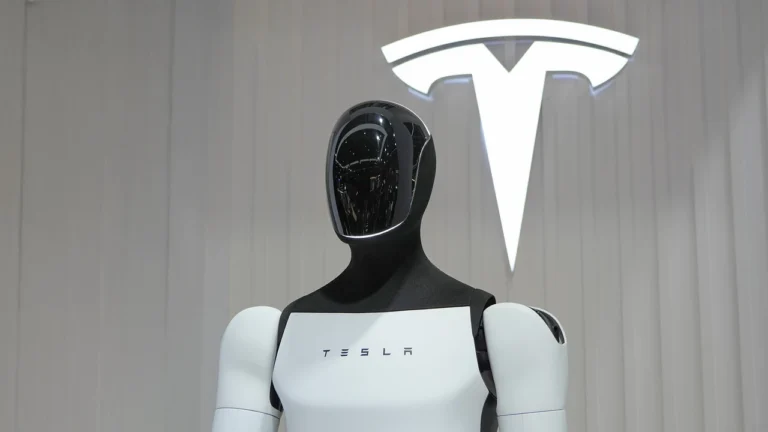
The CASA phenomenon showcases how individuals are inherently inclined to respond socially to technology that exhibits even minimal social traits. This concept continues to captivate researchers, particularly as technology evolves to be more social. As a robotics enthusiast and researcher, I frequently encounter instances where individuals attribute human characteristics to robots, illustrating our natural inclination to relate to technology socially.
While treating robots as people may resemble a scenario from a science fiction show, this tendency enables us to engage with robots as caregivers, collaborators, or companions. Robotics designers intentionally imbue robots with social qualities to enhance our interactions with them. However, the rising integration of robots and AI in society raises concerns about their potential for negative influence if not properly managed.
The example of Sophia, an advanced robot by Hanson Robotics, underscores the marketing prowess in portraying robots as influencers. As robots become more human-like, their capacity to shape human behavior increases. Nevertheless, the misuse of robots and AI for manipulation poses significant risks. Transparency is essential in addressing these challenges and ensuring accountability in the development and deployment of social technologies.
In light of recent tech scandals, societal awareness is crucial in understanding the implications of human-robot interactions. Clear guidelines on technology ownership, objectives, approaches, and data access are imperative to navigate the ethical complexities of robot integration. It is vital to distinguish robots as tools wielded by humans rather than autonomous entities capable of decision-making.
As we navigate the evolving landscape of robotics, fostering responsible development practices and ethical guidelines will be paramount to harnessing the benefits of artificial intelligence while mitigating potential risks. Shane Saunderson, a Ph.D. Candidate in Robotics from the University of Toronto, encourages critical reflection on the role of robots in society. This article is republished from The Conversation under a Creative Commons license.
About the Author