Wang Kai, an investment partner at Vision Plus Capital and former CTO of Li Auto, has recently started a new venture in the realm of embodied intelligence. The startup has gained attention as a senior executive from a major automaker, known for their work on assisted driving technology, has joined the project and is currently on leave from their position. The initiative has already generated considerable interest from investors. In a short span since its establishment, the startup has successfully raised approximately USD 50 million through two funding rounds. The initial funding was led by Vision Plus Capital, followed by support from HongShan and Lanchi Ventures. The team’s established expertise in artificial intelligence and large-scale engineering has been pivotal in attracting backers, alongside the growing enthusiasm for embodied intelligence.
Wang’s career trajectory includes pivotal roles at Li Auto and Visteon, underscoring his proficiency in leading innovation in the automotive industry. During his tenure as CTO at Li Auto, he spearheaded the development and production of intelligent vehicle systems, ranging from electronic architecture to autonomous driving technologies. Wang’s transition into his current role at Vision Plus Capital represents a strategic move within the investment landscape. Notably, the seasoned executive who partnered with Wang in the startup brings a unique background in end-to-end deployment, particularly in vision-language-action (VLA) systems, a valuable asset in the realm of embodied intelligence startups.
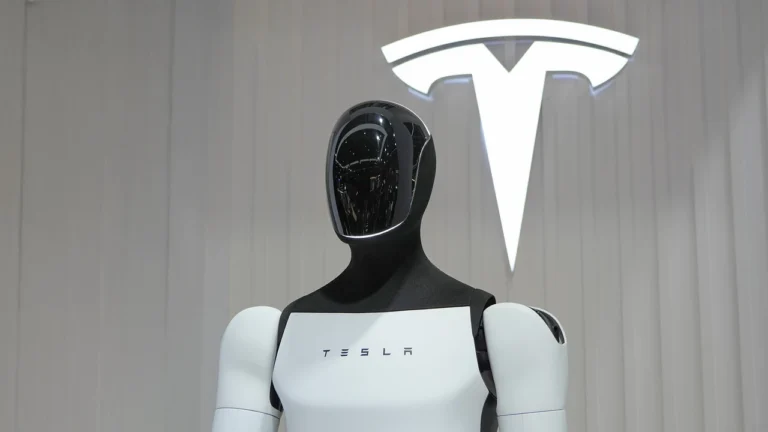
The emergence of embodied intelligence as a significant application area for artificial intelligence has drawn attention from industry experts and substantial financial backing. Recent examples, such as Tars, highlight the rapid growth potential within this sector. Tars, founded by Chen Yilun, experienced notable success in securing a substantial angel investment shortly after its inception, underscoring the market’s appetite for innovative ventures in this domain. With automakers recognizing the synergy between autonomous driving and embodied intelligence, companies like Tesla and Xpeng are positioning themselves at the forefront of innovation in these interconnected fields.
The article points out that the automotive industry’s rapid progress in assisted driving technology is mirrored by substantial investments in computing power by companies like Huawei, further illustrating the industry’s commitment to advancing technological capabilities. The competition for top talent between assisted driving technology and embodied intelligence sectors is poised to intensify as both areas continue to evolve.
The convergence of automotive technology and artificial intelligence signifies a promising frontier for entrepreneurs and industry players alike. Prominent figures from leading companies are venturing into the realm of embodied intelligence, showcasing a collective drive towards innovation and technological advancement within the automotive industry.
About the Author