Unitree Robotics, a prominent Chinese humanoid robot company based in Hangzhou, Zhejiang province, showcased its groundbreaking creations at the World Robot Conference in Beijing in August. One visitor to the company decided to put their humanoid robot to the test in a unique way. By standing side by side with the robot and being pushed over, while blindfolded to prevent anticipation, the individual was amazed by the results. Despite stumbling to regain balance, the humanoid robot remained remarkably steady, highlighting the impressive advancements in Chinese humanoid robotics.
Unitree Robotics recently revealed an update on their engineering prowess, demonstrating their humanoid robots navigating challenging terrains with ease and agility. The latest model was hailed as the “most agile” humanoid robot to date, underscoring the continuous evolution in this field. Humanoid robots are regarded as the pinnacle of achievement in the robotics industry, symbolizing the culmination of technological progress that rivals human capabilities.
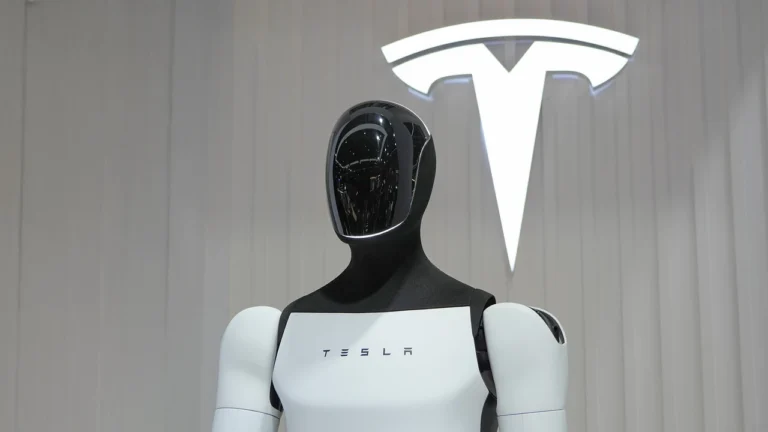
The increasing sophistication of humanoid robots has significant implications, particularly in critical areas such as disaster rescue operations, industrial inspections, and hazardous environments inaccessible to humans. Chinese robotics companies are now producing humanoid robots on a mass scale, with affordability being a key focus. The Unitree G1, priced at 99,000 yuan ($13,600), offers remarkable features at a competitive price point compared to other models in the market, such as Tesla’s Optimus.
Unitree Robotics aims to make humanoid robots more accessible to various industries in China through its cost-effective pricing strategy. The G1 is described as a “humanoid intelligent entity and AI avatar”, boasting precise human-like movements and functionalities. Additionally, the company’s Go2 robotic dog series has gained popularity for its versatility and affordability, attracting tech enthusiasts and industry professionals alike.
According to Rick Xiong, the general manager of the Beijing Embodied Intelligence Robotics Innovation Center, Chinese robot companies are strategically positioned to lead the humanoid robot revolution. While Western countries have seen dominant industry giants in robotics, China thrives on a diverse ecosystem of small to medium-sized enterprises driving innovation in humanoid robotics. The advancements in artificial intelligence technologies, like ChatGPT, have revolutionized the robotics industry, offering new possibilities for humanoid robots.
With Shanghai poised to become a hub for humanoid robotics, the future looks promising for the continued growth and innovation in this dynamic field. By leveraging expertise, resources, and innovation, Chinese robotics companies are spearheading the transformative impact of humanoid robots across industries, shaping a future where these advanced machines play integral roles in various applications.
About the Author