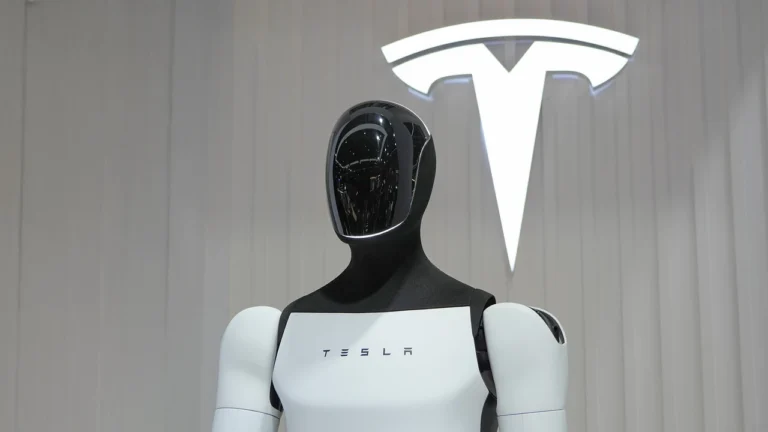
Humanoid robots, a long-standing element of science fiction, are now transitioning into reality with substantial progress being made in their development. Companies like Boston Dynamics, Tesla, and OpenAI are spearheading the creation of humanoid robots capable of walking, moving like humans, and performing remarkable feats of agility and dexterity. The integration of artificial intelligence (AI) into these robots is seen as a crucial step in enabling them to seamlessly interact with humans and the environment, potentially propelling them into mainstream adoption.
The incorporation of AI-powered “brains” into humanoid robots is anticipated to enhance their functionality significantly. With AI enabling robots to process vast amounts of data and make informed decisions, they can exhibit what is known as “embodied intelligence” – the fusion of cognitive abilities with physical actions resembling human behavior. Large language models and visual AI systems play a vital role in helping robots understand their surroundings, leading to improved interactions with objects and people.
One example is Google’s PaLM-E AI system, which efficiently processes raw sensor data from robots, facilitating rapid learning and enhanced capabilities. These advancements, such as PaLM-E, equip humanoid robots with visual-spatial intelligence, allowing them to navigate and comprehend the world without extensive programming.
Humanoid robots hold immense potential across various sectors. Initially designed for harsh environments like space exploration, they are increasingly being considered for controlled settings such as manufacturing. Robots like Tesla’s Optimus could revolutionize manufacturing processes, coexisting with human workers to boost productivity and safety. Similarly, in households, humanoid robots could undertake tasks ranging from chores to caregiving, offering assistance in scenarios like cooking, cleaning, and elderly care.
Despite the technological promise of humanoid robots, their market viability hinges on factors like cost, reliability, and societal acceptance. Ethical concerns, such as data privacy and potential job displacement, also need to be addressed. Considering expert insights from diverse fields is crucial for navigating the challenges and opportunities presented by humanoid robots. As we contemplate the future potential of this technology, it is essential to align innovation with ethical considerations to create a sustainable and beneficial impact on society.
As we embark on this technological frontier, it is imperative to strike a balance between what is achievable and what is desirable for humanity’s collective future. The development of humanoid robots requires collaboration among experts from various disciplines to ensure responsible and ethical integration of this transformative technology into our lives.
About the Author