In today’s modern world, our connected cars have become an integral part of our daily lives, offering convenience from Bluetooth connections to seeking navigation help. Alongside this technological advancement, are you interested in setting up a home theater or gaining knowledge about TVs, displays, and projectors? We have you covered with comprehensive information on these topics.
Recent developments in artificial intelligence (AI) are pushing the boundaries of technology further. MIT researchers have made significant progress by creating an AI model capable of understanding the relationships between objects in a given scene. This breakthrough is pivotal for enhancing robots’ abilities to perform complex tasks, such as assembling appliances, bringing us closer to creating machines that can learn and interact with their environments akin to humans.
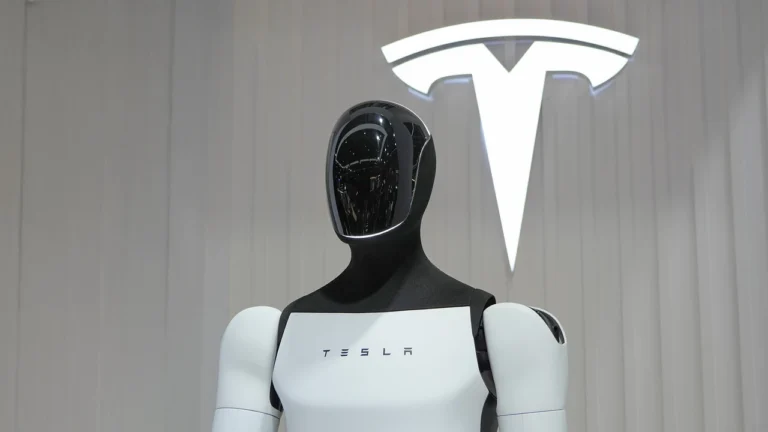
AI expert Sameer Maskey emphasized that humanoid robots equipped with AI technology can undertake various human tasks in sectors such as reception services and personal assistance. By employing AI algorithms, these robots can continuously learn and enhance their interactions with humans.
MIT researchers have delved into the challenge of enabling AI models to comprehend spatial relationships between objects in scenes. By utilizing a model that focuses on individual relationships and then combines them to interpret the entire scene, they aim to empower robots to manipulate and adapt to their environments effectively.
The trend of designing robots to mimic human actions is on the rise. Companies like Macco Robotics and Toyota have introduced robots like Kime and T-HR3, respectively, which exhibit human-like behaviors and assist in serving food and aiding individuals in various settings. Additionally, conversational AI solutions such as Amelia provide human-like customer service experiences, adapting seamlessly to different contexts and human emotions.
Advancements in nanotechnology and sensor technologies are enhancing robots’ capabilities to display human-like facial expressions, making their interactions more realistic. By leveraging computational models and artificial intelligence, robots can process sensory information and respond appropriately in verbal and physical interactions.
One significant application of humanoid robots is in caregiving for the elderly. These robots can monitor patients’ health, provide assistance with medications, and ensure patient safety by detecting emergencies and alerting medical professionals promptly. By making robots appear more human-like, interactions with patients become more compassionate and engaging, especially for individuals with conditions like dementia.
As robotics technology progresses alongside advancements in AI, robots may exhibit more human characteristics in the future. However, understanding subtle emotional cues remains a challenge for the industry. Continued efforts are essential to enhance robots’ abilities to interpret emotions accurately for improved human-robot interactions.
The realm of robotics is evolving rapidly, paving the way for more sophisticated AI applications in various sectors. By staying updated on the latest tech news and advancements, we can witness the transformation of robots from mere machines to interactive companions in our daily lives.
About the Author