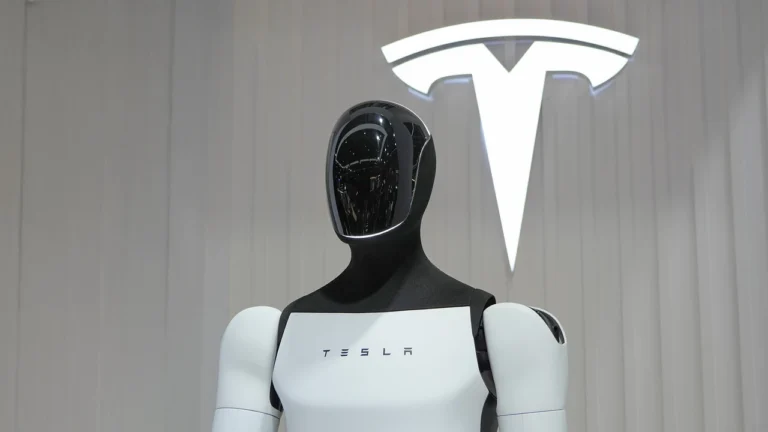
The global humanoid robot market is witnessing a surge in innovation and development, with major players like Honda, Tesla, Xiaomi, and Engineered Art striving to create more advanced models capable of interacting with humans. Researchers at the University of Tokyo recently made significant progress by developing a humanoid robot that can walk and climb using its hands and feet, marking a crucial advancement in the field. These robots are becoming increasingly lifelike, featuring facial expressions and realistic skin textures that enhance their ability to communicate with humans.
The rising demand for humanoid robots can be attributed to various factors, including the aging population. These robots play a crucial role in assisting with tasks that may be challenging or risky for elderly individuals, such as heavy lifting. By investing in humanoid robots, nursing homes can reduce reliance on human workers, thereby cutting healthcare costs and ensuring the safety of elderly residents.
According to a report by SkyQuest, Japan currently holds a dominant position in the Asia Pacific humanoid robot market, producing over 89,800 units in 2021. However, China’s humanoid robot industry is rapidly expanding and projected to reach a value exceeding $2.5 billion by 2030. In August 2022, Xiaomi introduced its humanoid robot, CyberOne, equipped with advanced features like emotion detection and 3D mapping for navigation.
The integration of artificial intelligence (AI) into humanoid robots is still in its early stages but shows great promise in enhancing their capabilities. Companies like Softbank and Honda have developed robots like Pepper and ASIMO, respectively, leveraging AI to perform complex tasks and interact autonomously. The focus of robotics research has shifted towards incorporating AI to improve robot performance and autonomy, leading to the development of Fully Automated Living Systems (FALLS), which can operate independently and learn without human intervention.
SkyQuest offers in-depth analysis and reports on the developments in the global humanoid robot market, providing insights into market trends, competitor performance, technological advancements, and new product launches. By tracking the latest innovations and efforts in the industry, these reports help stakeholders gain a better understanding of market dynamics and emerging opportunities.
About the Author