Toyota is set to revolutionize its global factories by deploying a staggering 400,000 robots by 2028. These robots, enhancing both efficiency and productivity, will include humanoid and non-humanoid machines. The company’s investment could reach JP¥1tn ($6.4bn) annually and will cover its own plants and those of major suppliers.
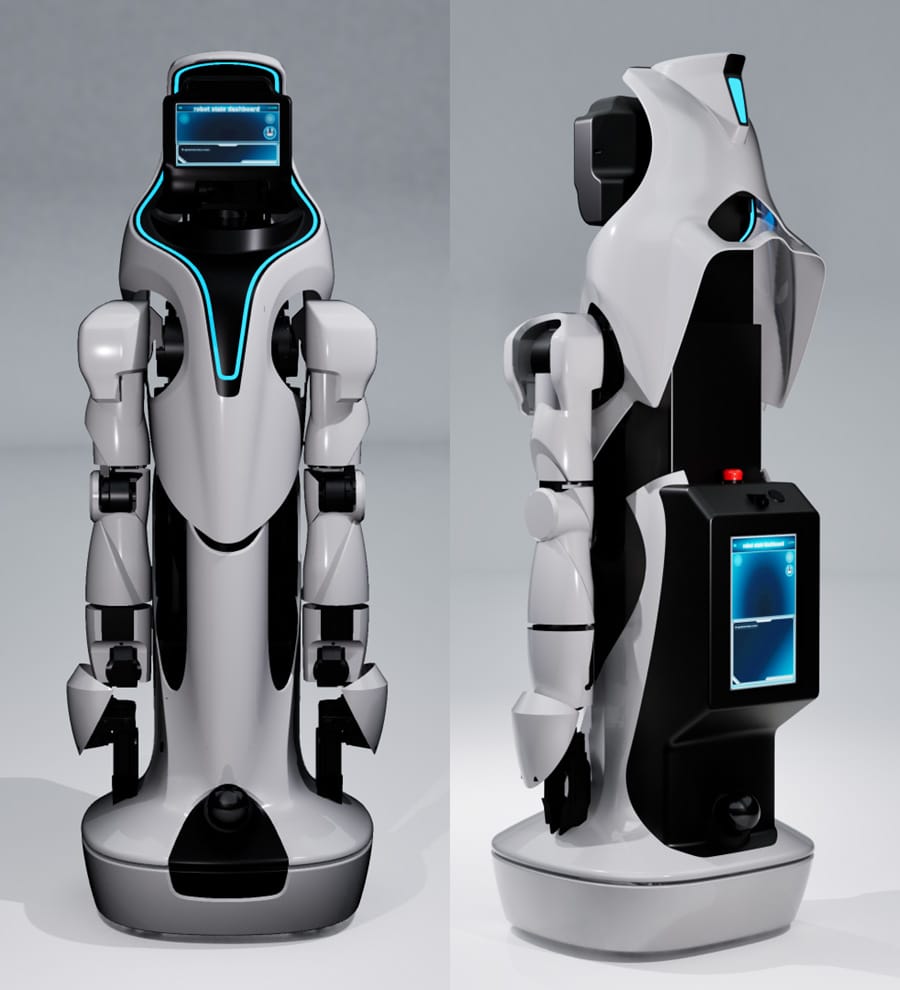
One of Toyota’s innovative approaches is having robots learn by observing workers. This method allows the robots to gather training data organically rather than relying solely on simulations. The flagship humanoid robot, Eley, weighing 50 kg, is designed for reliability, opting for wheels over bipedal mobility. By observing Toyota’s workers using specially designed jigs, Eley learns techniques directly, displaying impressive accuracy in tasks like folding T-shirts.
Toyota’s plan involves deploying 150,000 robots in its own plants and 250,000 in group company facilities. The company intends to share the learned data globally, enabling robots in different countries to acquire the same skills without redundant local training. This innovative strategy aims to enhance collaboration between robots and human employees, with a focus on coexistence rather than replacement.
While Toyota’s initiatives may not grab headlines like its competitors’ humanoid robots, the company’s longstanding presence in robotic development is notable. Their focus on Large Behavior Models and collaboration with Agility Robotics for tote handling tasks distinguishes them from rivals fixated on bipedal designs. Toyota’s belief in fast-learning robots, equipped with physical skills acquired through observation, sets them apart in the quest for efficient factory automation.
Toyota’s forward-thinking approach to integrating robots into their workforce, focusing on rapid skill acquisition and collaboration with human workers, signifies a crucial step towards the future of mobility in manufacturing.
About the Author