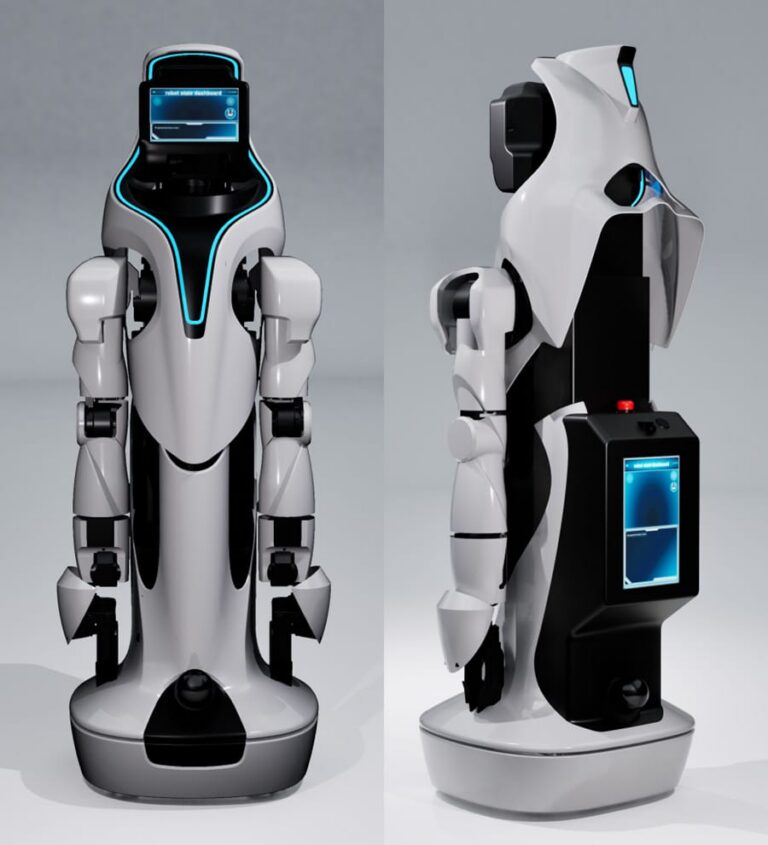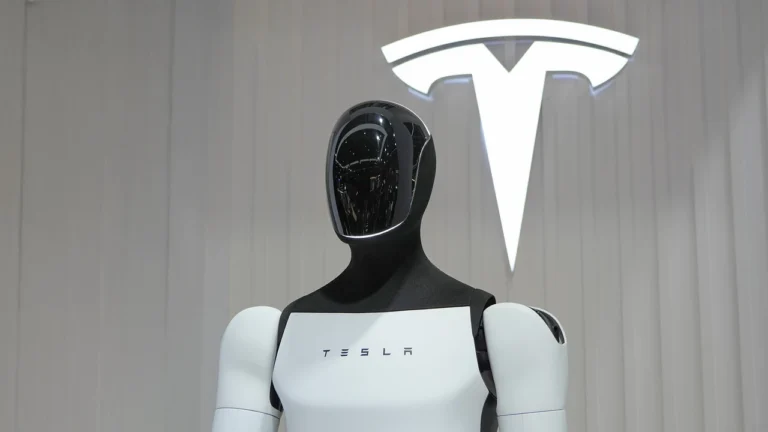
A groundbreaking agreement in the field of robotics is set to shift the balance of power. Figure, one of the most prominent entities in the industry in the United States, has secured immense computing power to train the artificial intelligence models that will govern its next-generation humanoid robots. This isn’t just a minor upgrade; it entails constructing what is being heralded as one of the largest computing infrastructures ever dedicated to AI applied in the physical world – with up to 100,000 GPUs.
The partnership was forged with the British company Nscale and involves leveraging the future NVIDIA Vera Rubin platform. The initial deployment is scheduled for the latter half of 2027, with a base in Texas. This timeline speaks volumes about the project’s nature, as building such a substantial infrastructure requires years of planning, involving coordinating suppliers, power sources, physical spaces, and software.
For those not immersed in the industry, a humanoid robot requires more than just motors and sensors. It needs to comprehend what it sees and make decisions autonomously. This is where Helix comes into play, the AI system developed by Figure that enables its robots to interpret gathered images and translate them into tangible movements and useful actions.
To improve such a system, it needs to be exposed to numerous real-world examples. As the data volume increases, so does the computing power needed to process and translate it into reliable behaviors. This clarifies the need for a race to secure GPUs, which may appear disproportionate from an outsider’s perspective.
The emerging AI in the physical realm differs significantly from what the public has grown accustomed to in recent years. While text and image-generating models work within a screen where errors can be rectified with a click, physical AI operates amidst real people and objects, where errors have immediate consequences. This raises the bar significantly on both data quality and training volume requirements.
Figure has opted to tackle the challenge head-on by custom-building its computing capacity rather than solely relying on shared resources. Though industrially demanding, this strategy aligns with a straightforward logic: controlling the infrastructure means controlling development timelines. In an industry where competition hinges on gaining months of advantage, time is as critical as technology.
As per the current schedule, the first GPUs based on NVIDIA Vera Rubin will arrive in Texas in the second half of 2027, shaping a project aimed at enhancing Figure’s humanoid robots’ autonomy and ability to operate in unprepared environments. Meanwhile, the development of Helix continues, powered by field-collected examples, as silicon alone would yield no results without such material.
About the Author