In her weekly newsletter, Roula Khalaf, the Editor of the FT, delves into the transformative impact of artificial intelligence (AI) in the manufacturing industry. Historically, manufacturing has been at the forefront of adopting new technologies, from steam engines to robotic assembly lines. Now, AI is poised to revolutionize the sector in unprecedented ways. The implications for jobs in the next decade are profound.
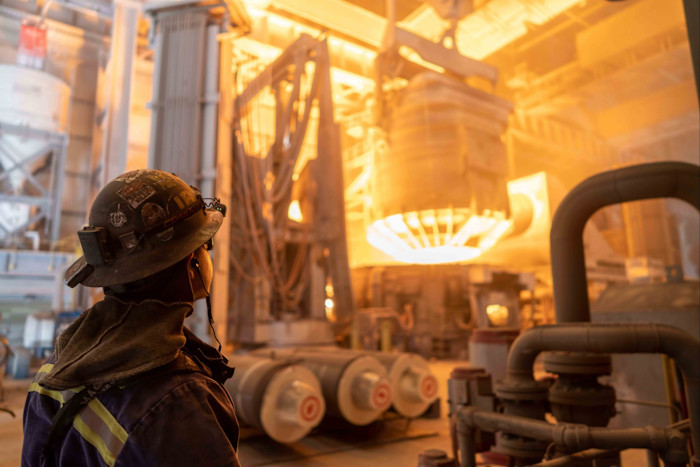
Currently, manufacturing is heavily automated, with sensors and computer networks monitoring industrial processes in large-scale facilities. Jason Urso, the chief technology officer at Honeywell, forecasts that within a decade, over 80% of manufacturing plants will incorporate AI to manage control systems and troubleshoot issues. This includes scenarios where AI can analyze machine sounds and suggest appropriate actions to address anomalies. Companies like United States Steel Corporation are already leveraging AI software to streamline operations, such as guiding workers in repairs.
Moreover, AI is increasingly influencing product design. By using AI-powered software, engineers can rapidly generate multiple three-dimensional vehicle designs, significantly reducing design timelines. The potential applications are vast, such as Hyundai using AI to design a prototype car with transforming wheels for rescue purposes.
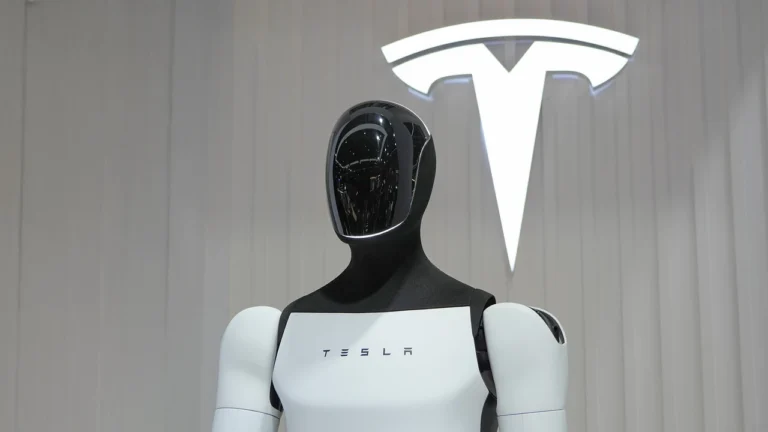
The integration of AI into manufacturing extends to the realm of robotics. The next wave of AI-powered robots, envisioned as humanoid, is expected to work alongside humans with advanced capabilities like sorting items based on categories. Canadian start-up Sanctuary AI is at the forefront of developing humanoid robots that mimic human intelligence in factories. Although significant advancements have been made, further improvements are essential.
While the promise of AI in manufacturing is evident, concerns about potential job displacement loom large. With AI-powered machines demonstrating precision and consistency that exceed human capabilities, jobs like production-line workers and machine operators face the risk of being replaced. However, there is also optimism that AI will create new job opportunities, requiring skills such as operating AI machines, programming robots, and expertise in data science.
As the manufacturing landscape evolves with AI, the need for workers to adapt and upskill becomes paramount. Training programs that equip manufacturing employees to work alongside AI are essential to mitigate job losses. The transition may pose challenges, especially for older workers, emphasizing the urgency of proactive approaches to reskilling and workforce development.
In conclusion, the advent of AI in manufacturing heralds a new era of innovation and efficiency. While concerns about job displacement persist, the potential for AI to create new roles and enhance productivity is undeniable. Striking a balance between technological advancement and workforce sustainability will be key to realizing the full benefits of AI in manufacturing.
About the Author