Stay informed and make informed decisions when breaking news happens. At Vox, our primary goal is to assist you in understanding the world, and this mission has never been more critical. However, we cannot accomplish this alone. We rely on readers like you to support our journalism. Will you consider backing our work and becoming a Vox Member today?
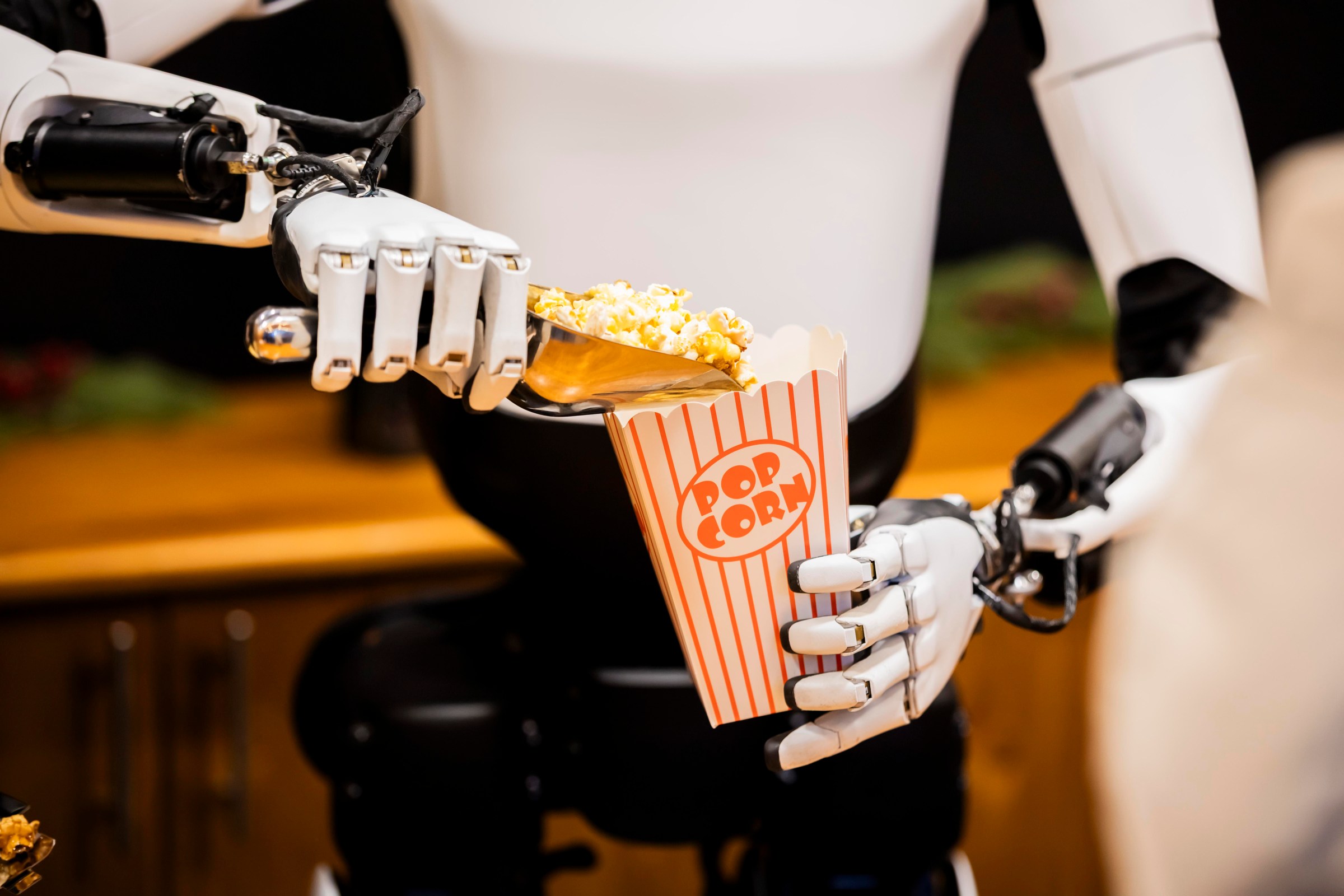
Although AI is advancing humanoid robots, they are not yet ready to take over household chores. These robots have been making headlines lately, from participating in races to handling tasks like baggage handling, waste sorting, and policing. Their potential ranges from assisting with daily chores to working in various industries. Tech expert James Vincent discussed the hype surrounding humanoid robots and the reality of their capabilities in a recent conversation.
James had the unique opportunity to interact with several robots from leading US companies like Apptronik and Agility Robotics. These humanoid robots mimic human features but serve different purposes. While Agility Robotics specializes in warehouse tasks, Apptronik focuses on general-purpose usage. James even jokingly attempted to kick a robot, highlighting the ongoing fascination and skepticism surrounding their development.
Humanoid robots are envisioned to perform tasks similar to able-bodied humans in various settings. Many companies in the US and China are investing heavily in robotics, with big tech players like Meta and Google also entering the field. Elon Musk’s interest in robotics has significantly influenced the market, with the potential for these machines to revolutionize labor-intensive tasks.
The advancement of AI, particularly deep learning, has propelled the development of humanoid robots. By allowing robots to learn and adapt autonomously, AI is transitioning robotics from manual programming to data-driven learning. However, the challenge lies in translating AI capabilities from digital tasks to a physical realm without compromising safety and efficiency.
China’s approach to humanoid robots differs from that of the US, with a focus on utilizing robots to address aging populations and labor shortages. The scalability of Chinese manufacturing capabilities gives them a competitive edge in robot production. Despite significant progress in humanoid robot technology, the reality may not align with the extravagant promises made by industry leaders.
While humanoid robots may become more prevalent in workplaces and homes in the future, their widespread adoption within the next few years remains uncertain. Discover more insights and engaging stories through our podcast “Today, Explained” available on various platforms including Apple Podcasts, Pandora, and Spotify. Stay informed and connected with the latest news and analysis from Vox – empowering you to navigate today’s complex world effectively.
About the Author