In the realm of robotics, a new era is dawning where humanoid robots are no longer confined to rigid, mechanical movements but are instead gliding across spaces with the elegance of a performer. These robots are not just capable of delicate tasks like lifting fragile objects without causing damage, but they can also assemble intricate components with the precision of a skilled artisan. This futuristic vision is not a scene from a science fiction movie; it is the technological reality unfolding before our eyes.
Humanoid robots are breaking free from conventional limitations, moving in ways that were once deemed unattainable. Through groundbreaking advancements in robotics, these machines are reaching unprecedented levels of realism that are both captivating and thought-provoking. The emergence of robots that emulate human movement, thinking, and potentially collaboration raises profound questions about the future integration of technology in our lives.
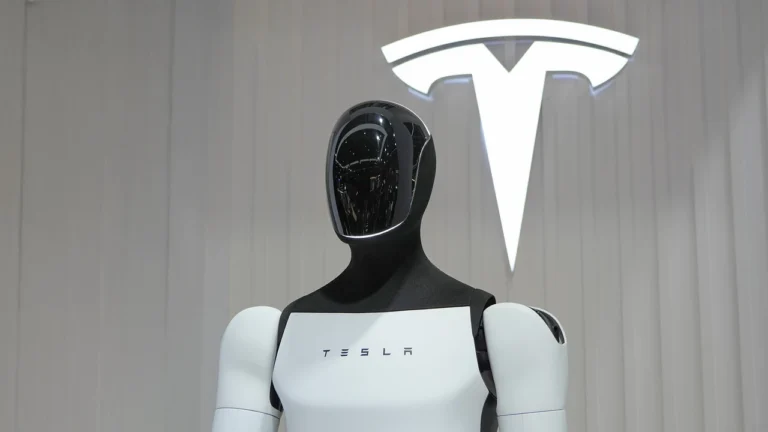
Innovation in humanoid robotics is rapidly advancing, propelling these machines into uncharted territories. From dynamic stabilization systems enabling mid-air balance to machine learning algorithms refining movements with each step, humanoid robots are transitioning from mere tools to lifelike companions. Companies like Tesla and Xpeng Robotics are at the forefront of this revolution, pushing boundaries and sparking intrigue and skepticism with their creations.
Modern humanoid robots exhibit lifelike movements such as jogging, jumping, and balancing with exceptional precision, thanks to cutting-edge stabilization systems and real-time motion planning. These robots, exemplified by Tesla’s Optimus 3, perform tasks seamlessly, demonstrating fluid and natural interactions facilitated by advanced balancing systems and optimized designs. Integration of technologies like dynamic stabilization and motion planning are bridging the gap between machine functionality and human-like behavior, paving the way for diverse applications in various aspects of life.
The realistic capabilities of humanoid robots stem from advancements in both hardware and software. Key technological drivers include reinforcement learning for movement refinement, enhanced software algorithms for precise decision-making, and humanlike hardware mirroring the flexibility and strength of the human body. These technologies work in harmony, enabling robots to perform tasks once considered beyond their capabilities.
Leading technology companies like Tesla, Engine AI, and Xpeng Robotics are spearheading the development of humanoid robots, showcasing impressive capabilities through transparent live demonstrations. These robots are anticipated to revolutionize society by assuming diverse roles such as household assistants, caregivers, and performers of hazardous industrial tasks, transforming daily life and work environments alike.
Despite their remarkable progress, humanoid robots face challenges in dynamic and unpredictable environments, underscoring the necessity for continued research and development. While excelling in precise tasks, they often struggle in complex social contexts, emphasizing the need for further advancements to overcome existing limitations.
The increasing realism of humanoid robots has evoked a blend of awe and skepticism among the public. Observers are captivated by the lifelike appearance and movements of these machines, sometimes mistaking them for CGI or humans in disguise. This response reflects the significant advancements achieved in the field, eliciting curiosity and raising societal questions about the role of robots in human life.
The evolution of humanoid robots signifies a transformative phase in technological history. With advancements in movement, dexterity, and realism, these machines are poised to redefine human interaction with technology. As challenges persist, the progress made hints at a future where humanoid robots seamlessly integrate into daily life, ushering in innovative possibilities and reshaping societal dynamics. This remarkable journey promises a new era of collaboration and innovation, bridging the gap between imagination and reality in the domain of robotics.
About the Author