NXP Semiconductors, in collaboration with NVIDIA, has introduced a new range of robotics solutions that prioritize secure, real-time data processing, transport, and advanced networking. These innovative solutions pave the way for NXP’s foundational robotics platforms, showcasing an integration of NVIDIA Holoscan Sensor Bridge with NXP’s system-on-chips (SoCs). This integration streamlines the components, reduces power consumption, lowers system costs, and simplifies software complexity in robotic sensing and actuation, particularly in humanoid form factors.
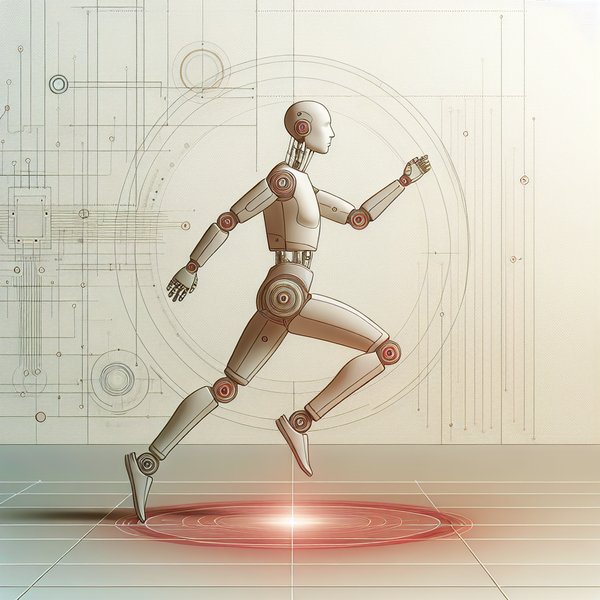
NXP identifies physical AI as a collection of systems capable of sensing, interpreting, and interacting with real-world environments with precision, reliability, and safety. Humanoid robots represent a sophisticated implementation that demands low-latency data processing and transport throughout the robot’s body to support synchronized motion, dense sensor fusion, and advanced actuation. To meet these demands, NXP’s integrated robot body solutions offer edge intelligence and low-latency networking for seamless real-time communication.
The platform incorporates NVIDIA Holoscan Sensor Bridge into NXP’s software environment, enabling real-time processing and establishing a direct transport path between the robot body and designated regions of the robot’s brain to minimize latency in data flow. This architectural collaboration results in a versatile and energy-efficient system design suitable for full-body humanoid robotics applications.
NXP’s initial Holoscan Sensor Bridge-ready solutions encompass machine vision and precision motor control systems tailored to manage high-bandwidth sensor data, facilitate synchronized motion, and support real-time decision-making across humanoid robot bodies. These software-centric, highly integrated solutions establish a comprehensive and scalable foundation for the development of full-body humanoid robots.
Scheduled for release in the first half of 2026, these robotics solutions aim to revolutionize the capabilities of machines in the physical world, with humanoid robots being the pinnacle of this technological advancement. Charles Dachs, Executive Vice President and General Manager of Secure Connected Edge at NXP Semiconductors, highlighted the collaborative efforts between NXP’s expertise in edge processing, secure networking, functional safety, and real-time control, and NVIDIA’s robotics platforms in simplifying physical AI development and enhancing connectivity between the physical AI edge and the central brain.
Deepu Talla, Vice President of Robotics and Edge AI at NVIDIA, emphasized the necessity of a high-performance computing architecture that can synchronize complex motor controls with real-time perception for the development of autonomous machines. By incorporating NVIDIA Holoscan Sensor Bridge into its edge portfolio, NXP offers developers a scalable foundation to expedite the deployment of physical AI.
About the Author