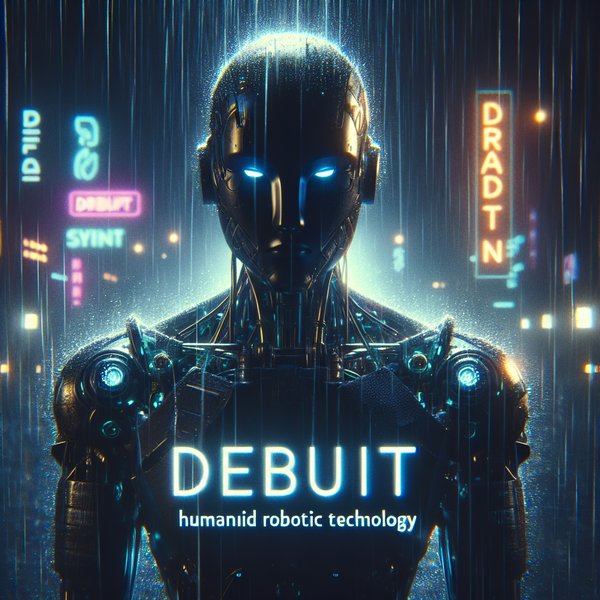
Boston Dynamics, a company owned by Hyundai, showcased its humanoid robot, Atlas, at the CES tech expo, a first-time public appearance for the innovative machine. This demonstration signifies a shift towards moving humanoid robots out of research labs and into live displays for customers, partners, and regulators. It strategically aligns Hyundai’s robotics venture with the global spotlight on automation, supply chain efficiency, and labor challenges.
Unlike previous presentations that relied on pre-recorded videos, Boston Dynamics presented Atlas in real-time action, demonstrating its controlled movements. The goal was to address a crucial question regarding the ability of humanoids to operate safely near people outside of experimental environments. Through more than a decade of development, Boston Dynamics has honed Atlas into a highly mobile humanoid, with previous versions showcasing impressive but scripted feats in videos.
Hyundai’s acquisition of a controlling stake in Boston Dynamics in 2021 shifted the company’s focus from research towards practical applications in manufacturing and logistics. Boston Dynamics later introduced an electric version of Atlas in 2024, replacing hydraulics for quieter operation and easier maintenance. The live demonstration at CES represents a significant milestone by immersing the robot in a live setting among industry professionals, indicating advancements in balancing, control, and safety systems.
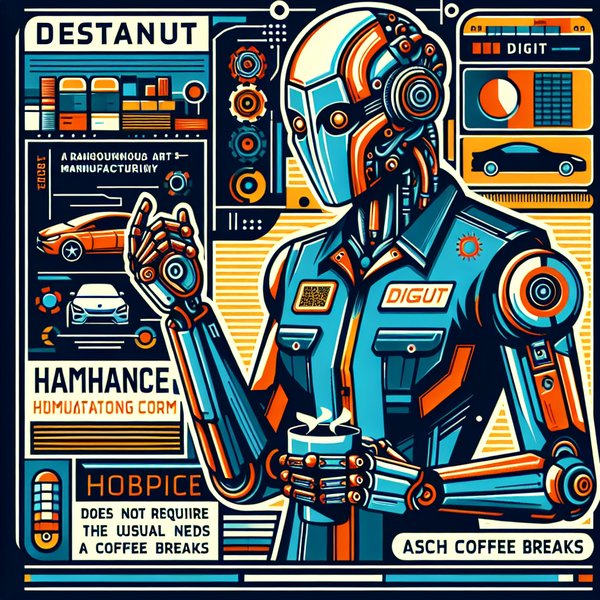
The growing interest in humanoid robotics is evident with competitors like Agility Robotics testing Digit in warehouses and Tesla’s progress with Optimus. Boston Dynamics, with its expertise in legged robots like Spot and Stretch, brings a wealth of experience that could address challenges related to traction, stability, and reliability. However, humanoids face unique obstacles such as balance on uneven surfaces and energy consumption.
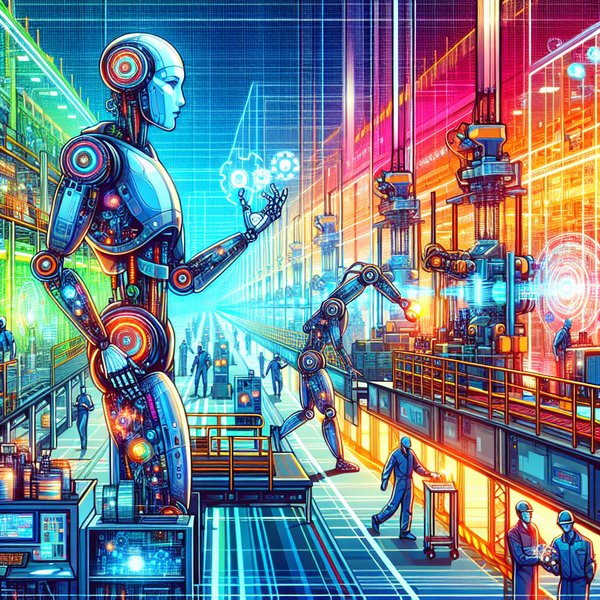
Boston Dynamics’ debut of Atlas aligns with Hyundai’s multidimensional strategy that integrates vehicles, factories, and robotics. The aim is to offer flexible automation solutions that can adapt to evolving production demands without extensive retooling. Initial applications may involve low-risk activities like inventory scanning or machine tending, with gradual expansion to tasks like light assembly or quality control.
Moving forward, successful adoption of humanoid robots will depend on factors such as safety measures, performance metrics, and support infrastructure. Transparent communication with workers, unions, and policymakers is crucial to address concerns regarding job security, training, and regulatory compliance. Pilot programs with clear objectives and regular performance evaluations will be essential in building trust and acceptance among stakeholders.
In conclusion, Boston Dynamics’ public unveiling of Atlas reflects a significant step towards transitioning from conceptual demonstrations to practical applications in real-world settings. The outcomes of customer trials and industry feedback will determine the future demand for humanoid robots in sectors such as logistics and manufacturing. As technology advances, the focus will be on ensuring consistent performance and reliability in industrial environments to drive widespread adoption.
About the Author