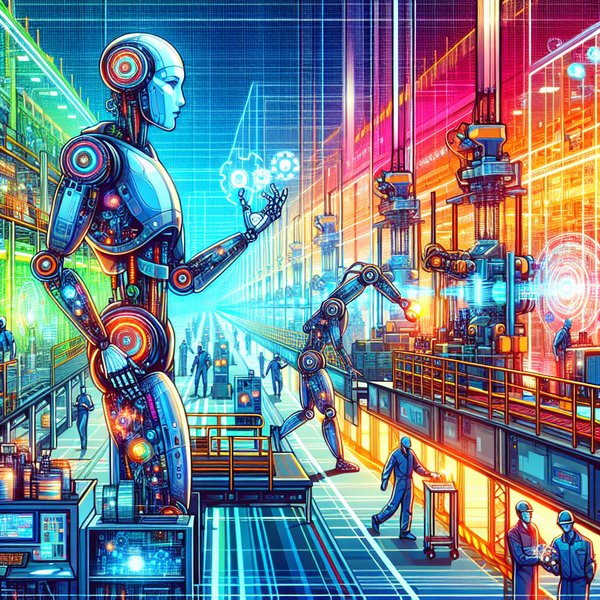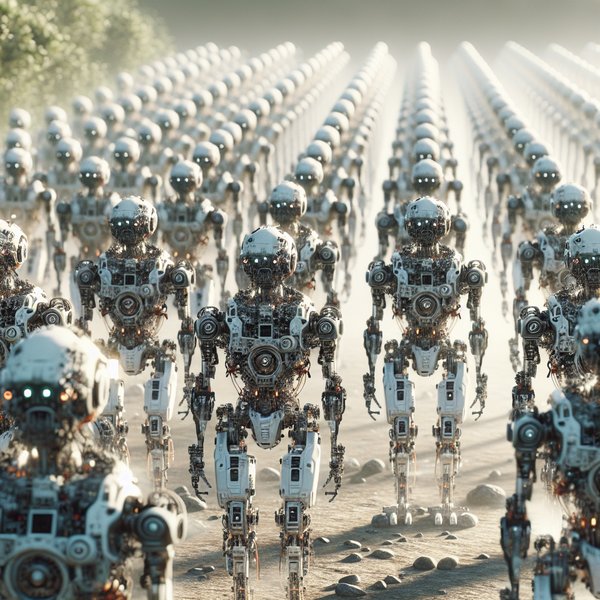
The Singapore government has recently bolstered its support measures as part of the 2026 budget to counter inflation. Concurrently, Malaysian Health Minister Dzulkefly Ahmad raised concerns on February 10, 2026, by disclosing the discovery of ten new cases. The concept of an army of compliant humanoid robots, once confined to sci-fi, is progressively becoming a reality. By 2030-2035, advancements in AI, actuators, and batteries are converging to render this futuristic vision feasible.
Traditionally, AI merely existed as a disembodied entity. Presently, the shift towards “embodied AI” is evolving. Through innovative neural networks, robots can now learn via imitation and trial runs in simulations, eliminating the need for manual programming. Strides have been made in ensuring their safety through software protocols like RLHF (Reinforcement Learning from Human Feedback), enabling strict adherence to human commands.
Various companies are vying to mass-produce these robots. Tesla’s Optimus project, led by Elon Musk, aspires to manufacture them on a large scale at a cost lower than that of a car. Other models like Figure and Boston Dynamics’ Electric Atlas are already exhibiting autonomy in tasks like making coffee and executing agile movements surpassing human capabilities. These robots are envisioned to serve industrial, domestic, and potentially military purposes such as load-bearing, addressing labor shortages, and managing hazardous environments.
Despite the promising future, there are significant hurdles to overcome. Issues surrounding energy autonomy, the manipulation of delicate objects, and the high cost of humanoid robots still persist. Enhancements in these areas are crucial for the wide-scale deployment of humanoid robots.
In conclusion, as we advance in the development of humanoid robots, collaboration and innovation will be key in surmounting the challenges that lie ahead.
About the Author