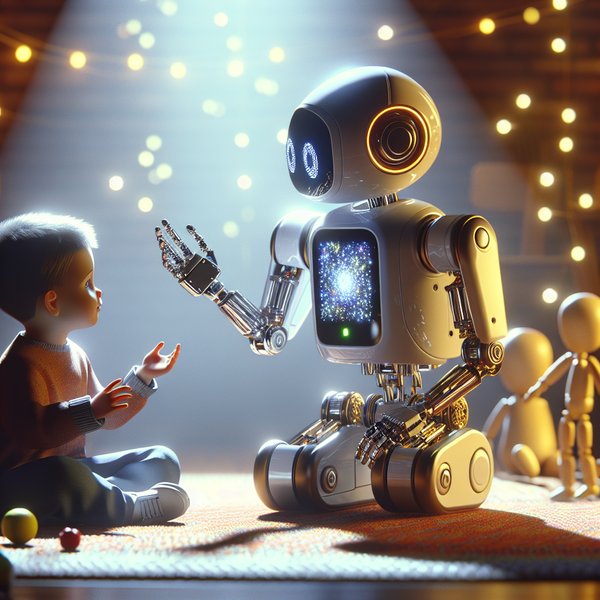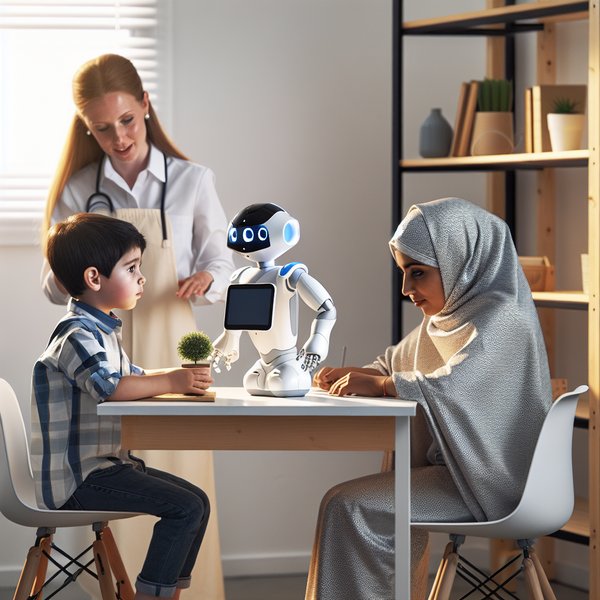
The rise of humanoid robots from research labs to households, shops, and warehouses has sparked a crucial question: who is responsible for teaching them appropriate behavior in human interactions? Companies are actively developing robots with abilities to walk, grasp objects, and communicate, while regulatory bodies are swiftly creating guidelines for their integration. Communities are expressing concerns about safety, privacy, and etiquette issues that come with humanoid robot interactions, as the way these machines behave will significantly impact daily life and work routines.
Humanoid robots are transitioning from being rare prototypes to being present in various fields. Logistics companies are testing legged robots for moving items, retailers are employing robots as greeters and stock assistants, and care facilities are utilizing social robots to assist patients with medication reminders. These robots not only need to complete tasks efficiently but must also understand when to wait, what to say, and how to respect personal boundaries. Human-robot interaction research reveals that people evaluate robots based on social norms they use with other individuals.
Behaviors such as eye contact, tone of voice, physical distance, and timing play crucial roles in human-robot interactions. Cultural and contextual differences further complicate the training and deployment of these robots. Various entities are shaping robot behavior, including international standards like ISO 13482 and ethical guidelines from organizations such as the IEEE. Training methods include demonstrations, feedback evaluation, simulations, and language models, coupled with data policies to prevent bias and ensure privacy.
To enhance human-robot interactions, clear behavior policies, privacy measures, oversight mechanisms, and liability assignments are essential. Companies should publish behavior guidelines and incident reports, while workers and individuals at homes need user-friendly controls for robot behaviors. Collaboration between human workers and robots will be crucial in shared task environments, facilitating smoother operations and reducing accidents. The future of humanoid robots will require more real-world testing, local regulation, and cultural adaptation to ensure seamless integration and adherence to societal norms.
In conclusion, the process of teaching robots proper behavior is a collective effort that combines technical expertise, regulatory frameworks, and practical wisdom. By integrating social norms into the design, development, and maintenance phases, humanoid robots can coexist harmoniously with humans in various settings. It is imperative to establish a consensus on these aspects early on to ensure a safe and successful implementation.
About the Author