Using Internet Explorer: it is an outdated, insecure browser that is no longer supported by its creator, Microsoft. Please switch to a modern browser like Edge, Firefox, Chrome, or any other available options for free. The message has changed, this Atlas doesn’t entertain anymore. It’s less spectacular, ready for the factory, eagerly waiting. This adorable robot, Atlas, is the talk of the town and has gone viral on all social media platforms. It’s the same old Atlas, now at CES in Las Vegas, no longer jumping or performing parkour. Instead, it stands still, composed, and serious. It has matured and demands closer attention.
For years, Boston Dynamics has been the hub of viral videos, showcasing the future’s acrobatics without a clear purpose. Atlas was perfect for these stunts, running, jumping, and maintaining balance like a metallic gymnast, displaying what was possible rather than necessary. At CES, the message is different; this Atlas no longer entertains but prepares for practical tasks in factories. Videos show a more restrained Atlas walking and performing tasks in industrial settings with extreme precision, handling objects and lifting loads autonomously.
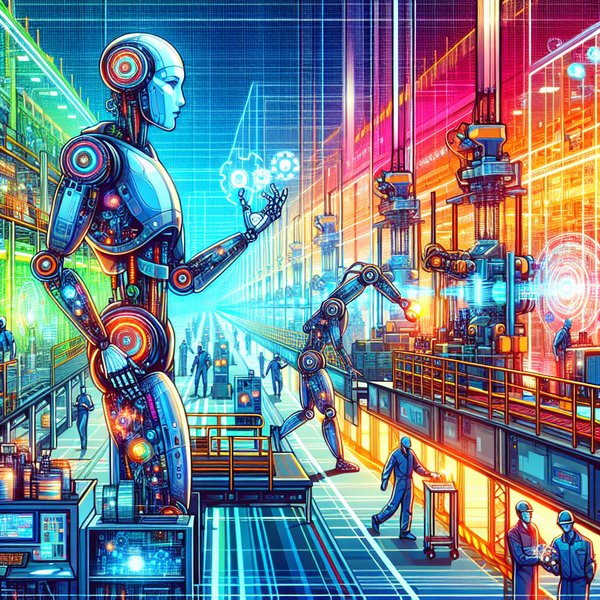
Designed for repetitive and strenuous tasks, able to operate in environments requiring ongoing human presence, the new electric Atlas (no longer hydraulic like its predecessors) boasts increased autonomy. It can replace its battery without human intervention and functions effectively in dirty and noisy environments. Atlas represents a broader shift in industrial robotics. While attention has been on AI for text generation and image creation, industrial robotics has integrated with AI to enable machines to navigate real-world environments independently.
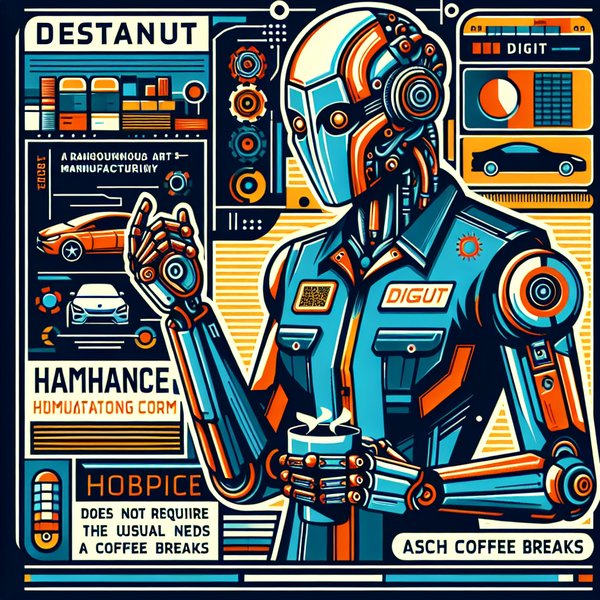
Beyond Boston Dynamics’ Atlas, companies like Tesla, with Optimus, Figure AI focusing on logistics and manufacturing, Agility Robotics developing Digit for warehouses, and Apptronik with Apollo and Sanctuary AI with Phoenix working on general-purpose humanoid robots, the global workforce ecosystem is evolving rapidly. These are no longer just fair prototypes but practical solutions for the future workforce. Although charming, the hardworking Atlas raises concerns about the rapid replacement of human workers and the feasibility of keeping pace with such changes.
The question is no longer ideological but practical: if the pace of change continues, can the rest keep up? What will remain in this evolving landscape? Musk and Gates envision universal income, raising questions about who the consumers will be in a world where robots may become the primary buyers. Debates among economists range from apocalyptic to integrated views, reminiscent of Umberto Eco’s famous essay. Circuits integrated into our lives, even the most apocalyptic thinkers rely on them. The times have changed, and opinions vary. Sorry, you must enable JavaScript to proceed.
About the Author