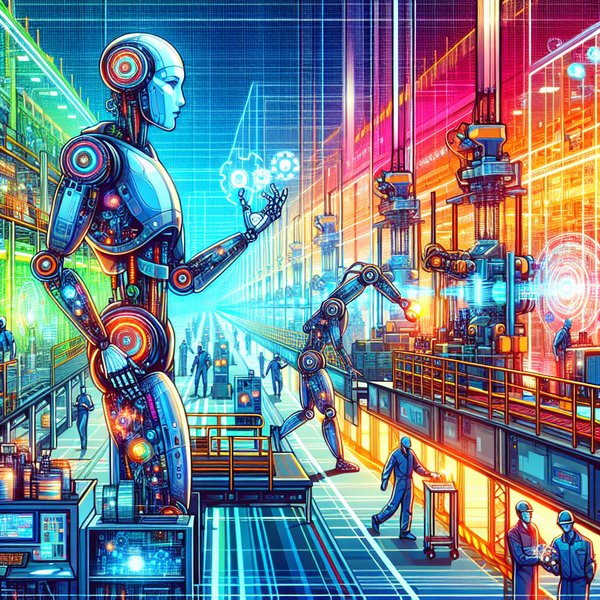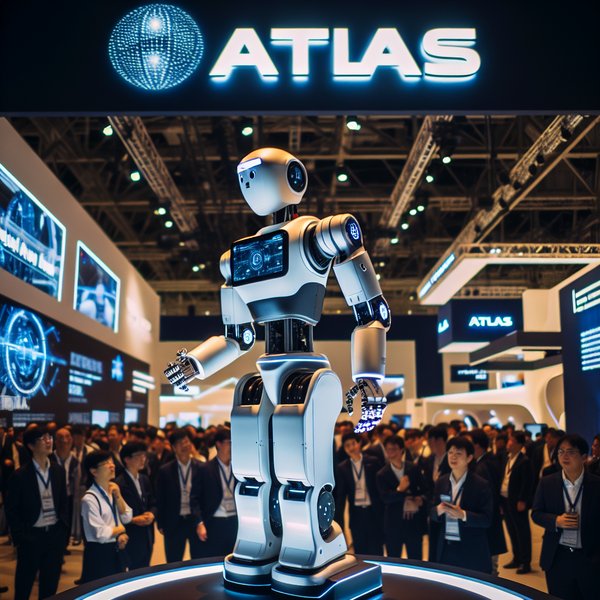
Atlas takes off its tightrope walker costume and steps into the CES in Las Vegas as a production machine. No parkour, no jumping: instead, it exhibits a composed posture, subtle movements, and a clear objective. In the videos, it enters industrial environments, manipulates objects with precision, and lifts loads without specific instructions, demonstrating control and operational reliability.
The transition from hydraulic to fully electric architecture enhances autonomy and maintainability: the battery is replaceable without human intervention, and its operation is optimized for extended shifts in dirty and noisy spaces. Spectacle gives way to repeatability, the true metric that matters in factories. This new positioning turns Atlas into a productive tool: it performs strenuous and repetitive tasks, overseeing areas where constant presence of personnel is required today, seamlessly integrating into workflows without requiring a complete redesign of the environment around the robot.
It’s a demonstration of technological maturity: less showreel, more work cycles. The viral “delightful” icon becomes a tangible interface between advanced automation and real needs in workshops and warehouses. The message is clear: the era of fair prototypes gives way to tools that only require an assembly line to be deployed. The breakthrough lies in the integration of mobile robotics and operational AI: not content generation, but perception, planning, and control to navigate real contexts without tailored scenarios.
Atlas adeptly handles objects and loads, adapting to the variability and typical unforeseen events in workshops and warehouses. Less choreographies, more industrial pipelines: computer vision, policy models, and control systems close the loop between sensors and actuators, prioritizing reliability, safety, and repeatability. The shift to electric architecture reduces complexity and downtime, enabling extended shifts and autonomous battery replacement.
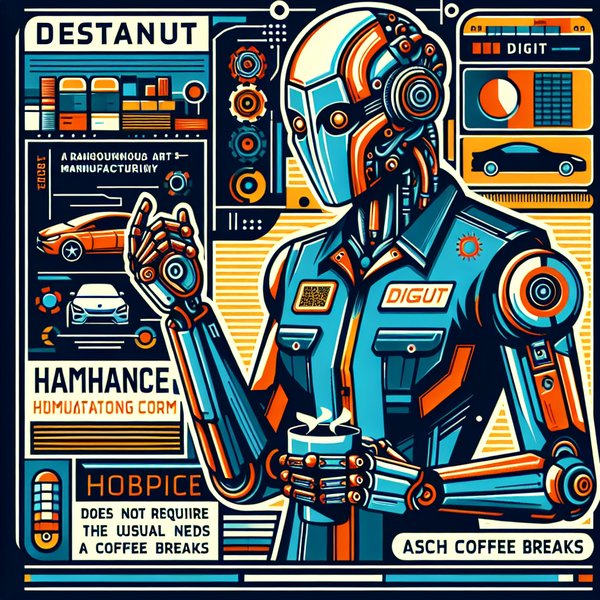
The competitive landscape confirms the direction: Tesla Optimus, Figure AI for logistics and manufacturing, Agility Robotics with Digit for warehouses and supply chains, Apptronik with Apollo, and Sanctuary AI with Phoenix are focusing on generalist humanoids; in Asia, Unitree Robotics and industrial programs in China and Korea are accelerating adoption in factories.
No longer just stage prototypes: a global productive ecosystem is structured where value is measured in closed cycles, MTBF, and costs per labor hour, with robots ready to join the production line without disrupting operations. Atlas introduces a productivity leap: repetitive and heavy tasks are carried out consistently, reducing injuries, errors, and downtime. Electric operation and autonomous battery replacement reduce maintenance costs and favor continuous shifts, directly impacting throughput and quality.
Efficiency, however, reshapes roles and tasks: low-value activities are at risk of erosion, while the demand for roles in supervision, line integration, safety, and system training increases. The transition requires targeted upskilling and clear metrics on safety, human-machine coexistence, and responsibility in case of incidents. The speed of adoption raises economic questions: how to distribute the benefits of productivity?
Discussions revolve around profit-sharing schemes, reforming safety nets, and hypotheses of a universal basic income supported by figures like Elon Musk and Bill Gates. The risk is not theoretical but operational: supply chains and companies that do not update processes and training may lag behind. Shared standards, algorithmic audits, and guidelines are needed for integration in noisy and complex environments, where human presence remains the norm.
About the Author