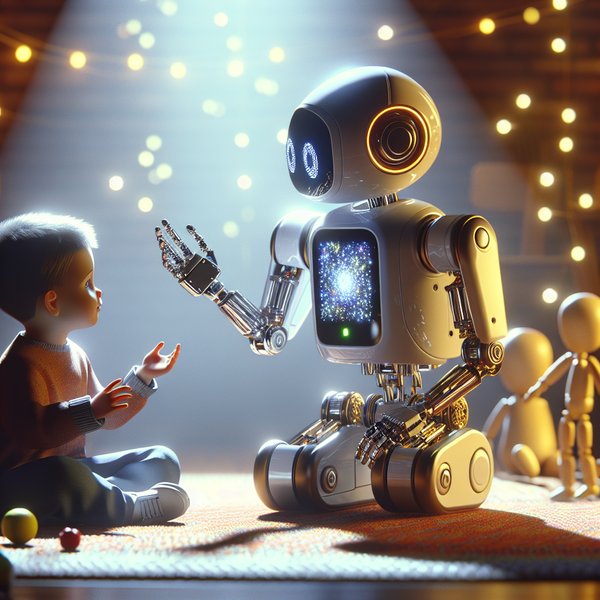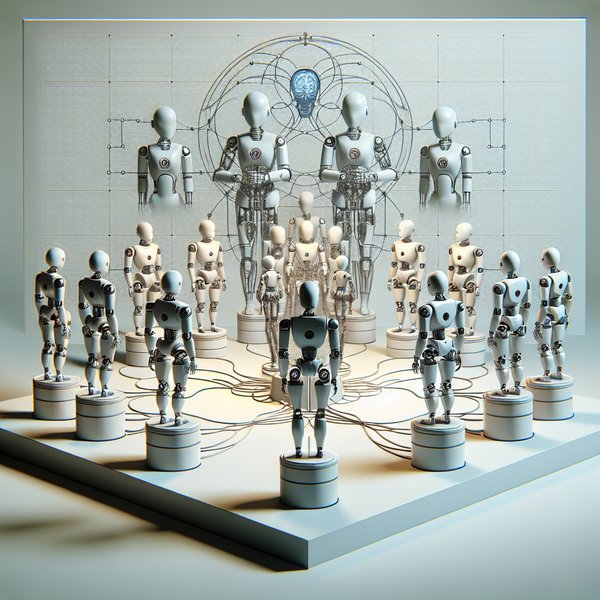
In recent years, there has been a notable rise in the deployment of robots in close proximity to humans. From household vacuum cleaners autonomously navigating living rooms to drones soaring overhead, and even prostheses enhancing human capabilities, robots are becoming increasingly integrated into our daily lives. The current focus in robotics is on developing the next wave of robots that will engage directly with everyday users, rather than being confined to industrial settings under expert control.
This shift signifies a significant departure from traditional factory robots operated by trained professionals. For robots to effectively navigate human environments, it is imperative that they are programmed with a profound understanding of the social, ethical, and cultural norms governing human interactions. The endeavor to create robots that are aware of their surroundings has given rise to a global movement in the field of human-robot interaction (HRI).
The goal now is to establish a comprehensive research roadmap for HRI in the coming decades. The aim is to advance the development of robot systems capable of engaging with humans in a meaningful and supportive manner across a variety of environments. This vision underscores the necessity of equipping robots with the ability to interact intelligently and adaptively with people in diverse settings.
The overarching objective is to create a framework that fosters seamless and beneficial interactions between humans and robots. This requires aligning technological advancements with a deep understanding of human behaviors and societal expectations. By addressing the intricate dynamics of human-robot engagement, we can pave the way for a future where robots play constructive roles in enhancing human experiences.
For inquiries or more information, please visit https://hal.science/hal-05448964. Submitted on Thursday, January 8, 2026, at 15:33:07. Last modified on Saturday, January 10, 2026, at 03:10:43. For legal matters or additional resources, please contact CCSD Portals.
About the Author