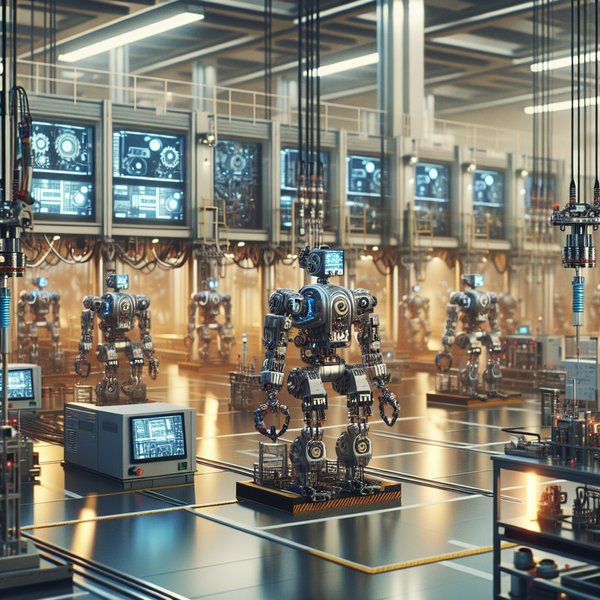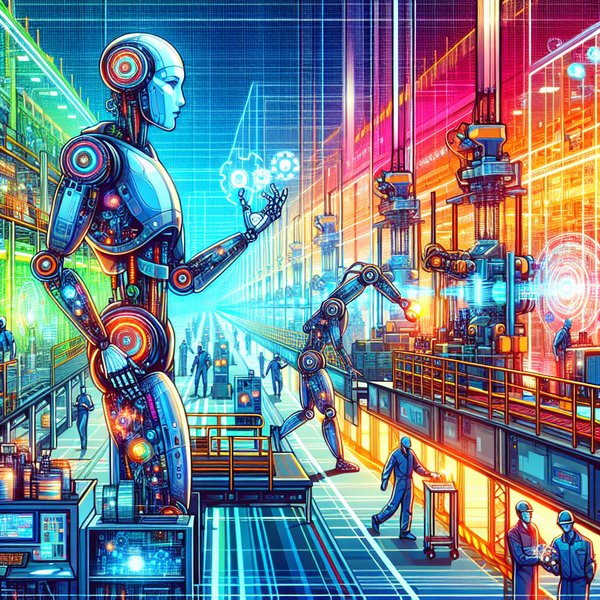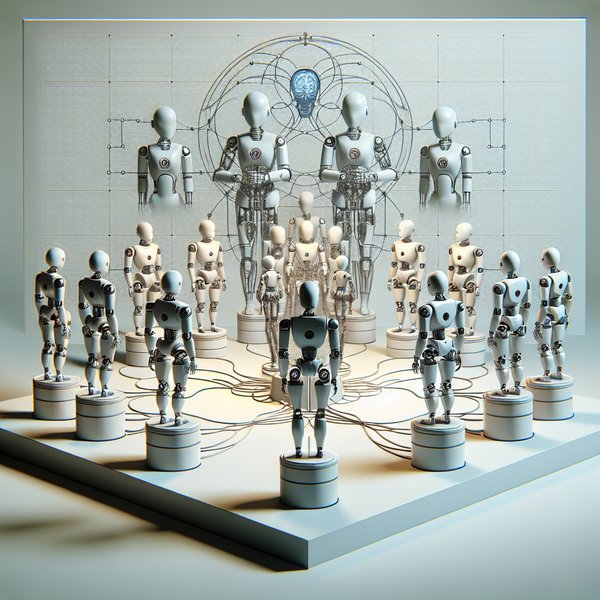
China is gearing up to meet the increasing demand for robotics talent by introducing a new undergraduate major in “embodied intelligence,” a field that merges AI with robotics. Top universities in China, like Shanghai Jiao Tong University, Zhejiang University, Beijing Institute of Technology, and Xi’an Jiaotong University, are seeking approval to offer this innovative major, as noted in a public notice issued by China’s Ministry of Education in November.
The move to establish this major stems from the country’s emphasis on nurturing talent for “future industries” such as embodied intelligence, quantum technology, and next-generation communications. Zhejiang University, known for producing leaders in AI startups, is among the institutions advocating for this major amid the projected growth of the embodied intelligence industry in China.
According to projections, the market for embodied intelligence in China is set to skyrocket, with estimates indicating a potential value of 400 billion yuan by 2030 and even surpassing 1 trillion yuan by 2035. The industry is currently facing a shortfall of around one million professionals, emphasizing the critical need for skilled individuals in this rapidly evolving sector.
Universities in China are aligning their academic offerings with national strategies and technological advancements to cater to the growing demand for talent in emerging fields like embodied intelligence. This move is in line with Beijing’s broader commitment to advance AI and robotics technologies, with academic institutions like Shanghai Jiao Tong University and Zhejiang University already leading the way in related research and development.
The Chinese tech industry, including companies like Ant Group and Alibaba Group, is making notable strides in developing humanoid robots and autonomous systems to compete globally. The new major in embodied intelligence aims to equip students with the necessary skills and expertise to thrive in this dynamic industry and secure employment opportunities with leading tech firms in China.
Furthermore, academic institutions like the Beijing Institute of Technology are planning to enroll undergraduate students in the new program, with a focus on preparing graduates for roles in both academia and industry. The curriculum for the major includes courses on multimodal perception and fusion, embodied human-robot interaction, and machine learning for robotics, demonstrating a comprehensive approach to education in this cutting-edge field.
About the Author