SenseTime has been a key player in China’s artificial intelligence industry for over a decade, witnessing and adapting to the dynamic shifts in technology trends. Initially focusing on visual AI, the company transitioned from a research lab at The Chinese University of Hong Kong to commercializing computer vision at scale. However, like many in the industry, SenseTime encountered challenges in serving clients with specific needs and long development cycles before the emergence of ChatGPT by OpenAI, which transformed the sector with large language models.
In its 2024 annual report, SenseTime reported significant revenue growth driven by its generative AI business, making it the company’s most critical business line. As the industry looks beyond narrow applications towards incorporating AI into the physical world, SenseTime contemplates its future direction. This shift towards embodied intelligence has led to the emergence of ACE Robotics, founded by SenseTime’s co-founder and executive director, Wang Xiaogang. ACE Robotics aims to address real-world challenges through a human-centric approach to research, focusing on developing a “brain” that comprehends the physical world and providing integrated hardware-software products for practical use.
The move towards physical intelligence in AI carries immense importance as the industry grapples with delivering tangible results. SenseTime’s recent financial report demonstrated a reduction in net loss despite increasing R&D spending, indicating a shift towards sustainable growth strategies. Wang Xiaogang highlighted the significance of developing robots capable of learning practical skills through real-world interactions to solve physical problems effectively.
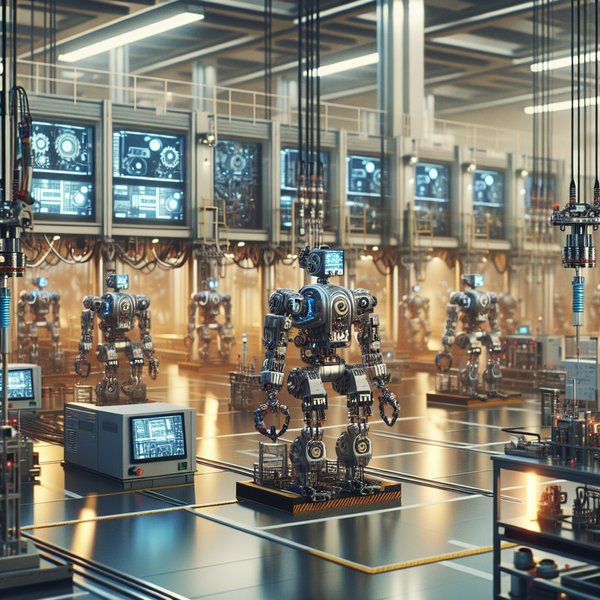
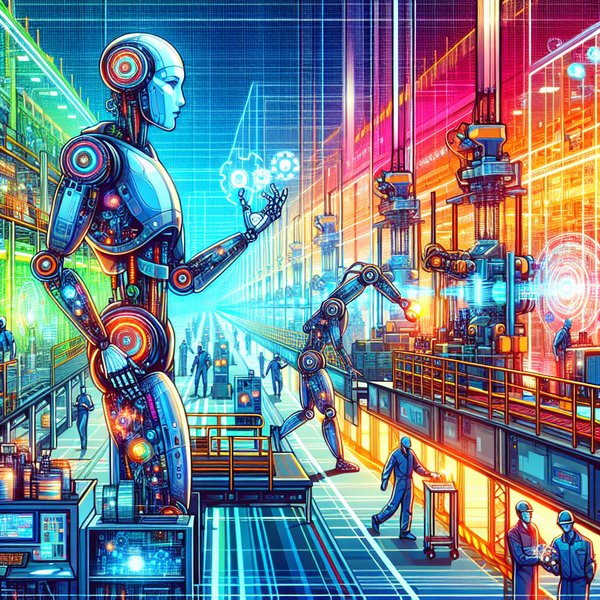
SenseTime’s journey mirrors the evolution of AI from visual recognition to large models and now to embodied intelligence, marked by direct engagement with the physical world. The company’s new direction focuses on understanding human interactions with the environment to create models that solve real-world challenges effectively. By integrating diverse inputs and fostering a multidimensional understanding of physical interactions, AI is poised to make significant strides in various industries, from industrial automation to home environments.
The future applications of this technology are expected to first emerge in quadruped robots equipped with autonomous navigation capabilities. These robots will play a crucial role in inspection and monitoring in industrial settings before moving into warehouse logistics and eventually home environments. The emphasis on safety and real-world applicability underscores SenseTime’s commitment to driving innovation in the AI sector.
About the Author