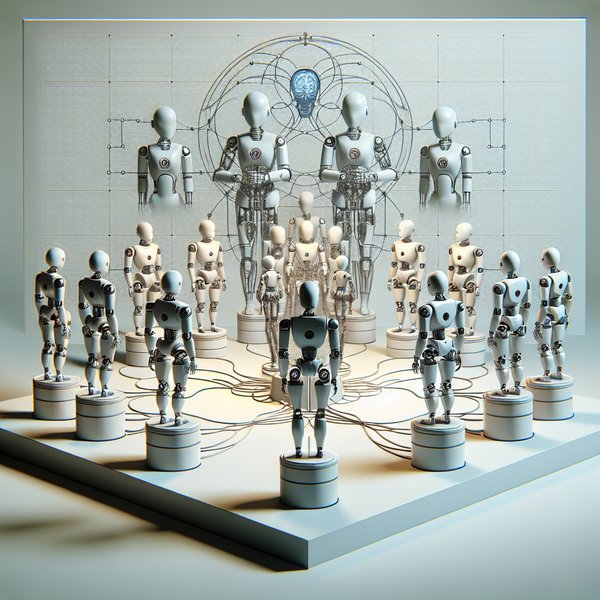
Humans undergo a continuous emotional experience that significantly impacts their perception, decision-making processes, and interactions with the environment and others. Despite advancements in affective neuroscience, the link between emotions and observable motor behavior remains relatively unexplored. This thesis aimed to investigate how emotions influence spontaneous movements, particularly within Human Interaction and Human-Robot Interaction (HRI) contexts.
The first study introduced a novel approach using motion data analysis to identify kinematic parameters indicating mobility and stability challenges in individuals with early-stage Parkinson’s disease. This method outperformed traditional chronometry-based assessments. In the subsequent study, a spectral analysis technique was developed to analyze spontaneous human oscillations, reflecting affective changes during interactions, especially in HRI settings.
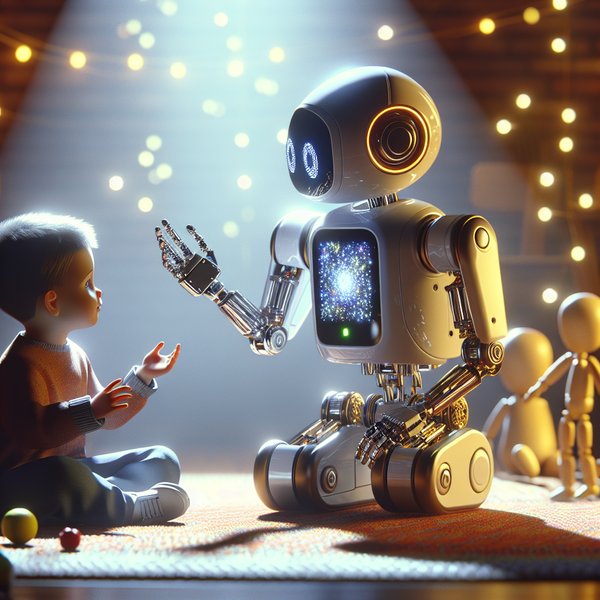
An experimental investigation compared human sway when interacting with different types of robots. The results suggested that the morphology of robots influences human motor behavior, with small non-humanoid robots eliciting more spontaneous movement. In another study, the impact of emotional context on HRI was explored, revealing that positive contexts enhanced spontaneous movement, whereas negative contexts inhibited movement.
Furthermore, the research delved into interpersonal motor synchronization and its correlation with affective compatibility between individuals. The findings indicated that pairs with congruent affective states maintained synchronization longer than those with incongruent states. Collectively, these studies provided empirical evidence of emotions influencing motor control and interpersonal synchronization.
The studies culminated in proposing a theoretical model of affective motor behavior, elucidating the influence of emotions on motor processes. This work also presented a theoretical framework illustrating the continuous bidirectional relationship between affective states and movement patterns across various interactive scenarios. In conclusion, the thesis shed light on the intricate dynamics of emotions and motor behavior within human interactions and HRI, underscoring the profound impact of emotions on human actions and relationships.
About the Author